
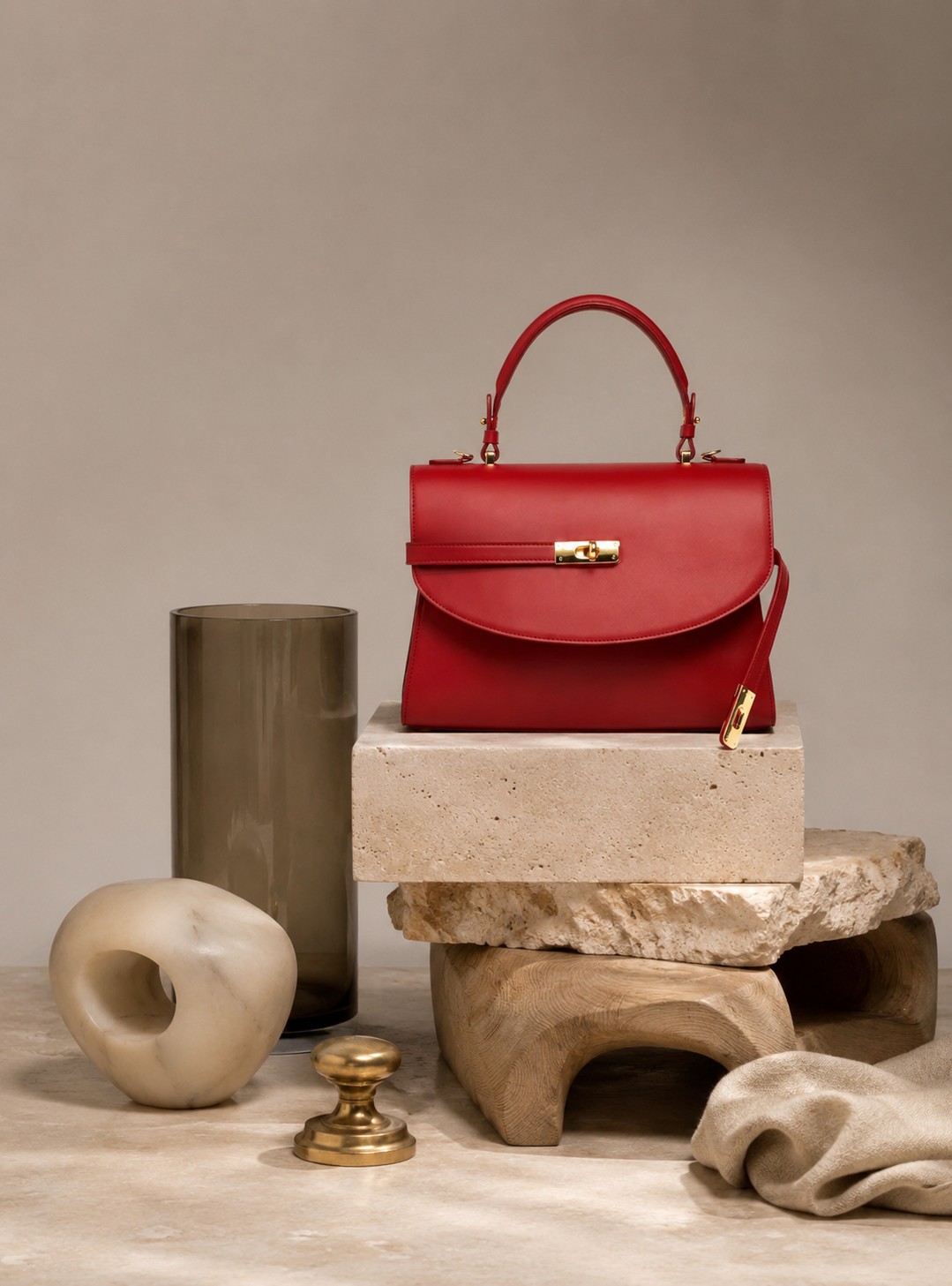

Seven years into the founder journey, I have a very different perspective from when I started...
I started Silver & Riley with strong convictions about business. Seven years later, I’ve changed my mind about a lot of them.
Silver & Riley is now a multimillion-dollar luxury business with clients around the world and products that have repeatedly sold out. Along the way, I have invested approximately $1.8 million of my own capital, raised some seed capital, made expensive mistakes, navigated crises I never anticipated, and gained a different understanding of the industry from the one I had when I started.
I created this page because I want to contribute more of that perspective to the conversation. I welcome conversations with journalists, editors, podcast hosts, television producers, business leaders and academic communities interested in candid, substantive discussions about luxury, entrepreneurship and the realities of running a company.
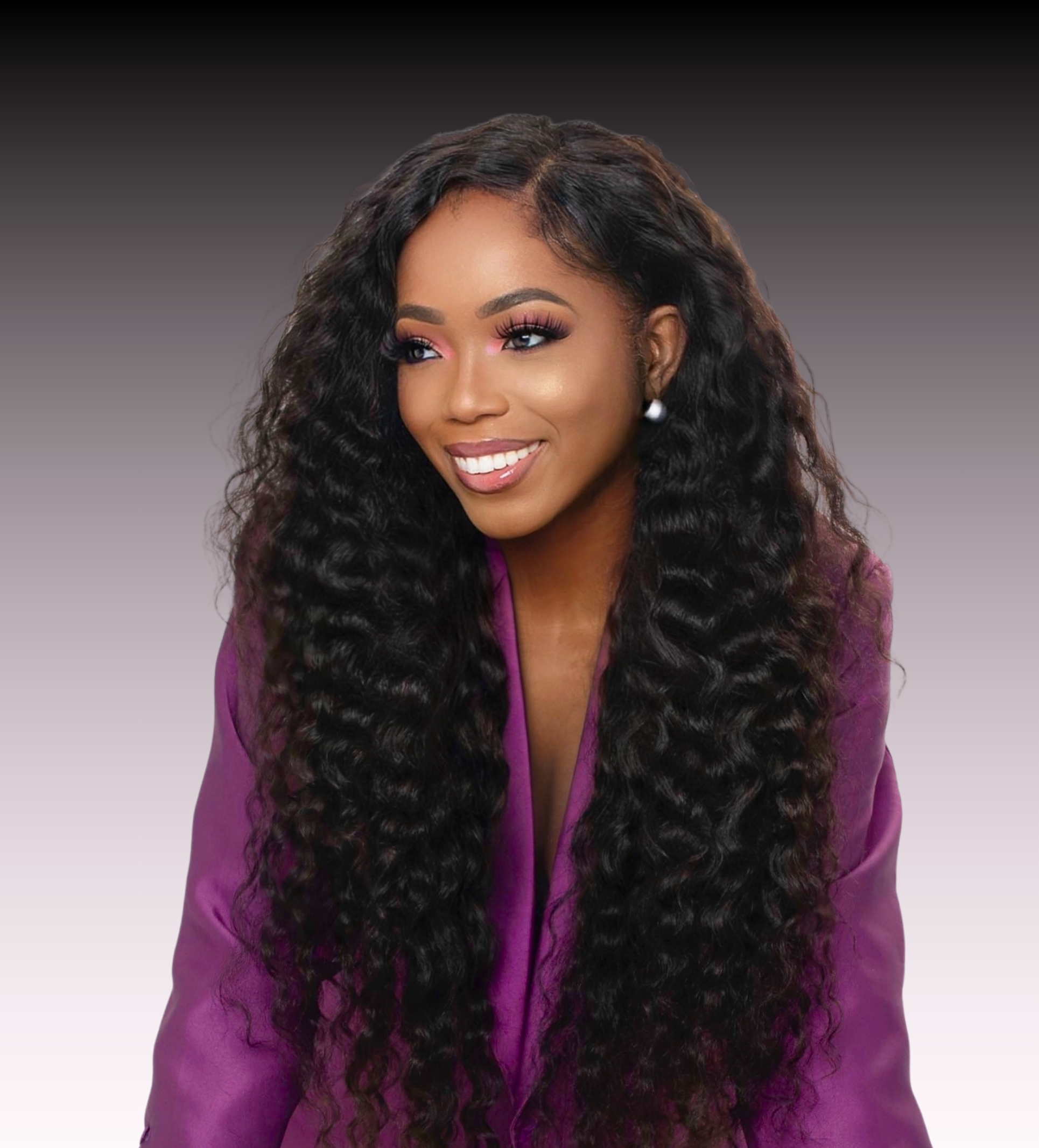
A little about me
I came to luxury through an unconventional route. I spent more than 15 years across management consulting, corporate strategy and technology before leaving corporate life to focus on Silver & Riley full time.
My career included leadership roles at Deloitte, Accenture and Salesforce, where I advised senior executives at some of the world’s largest companies on growth, strategy and transformation. My clients included L’Oréal, The Estée Lauder Companies, Coca-Cola, Samsung, CVS and Kellogg’s. At Salesforce, I ultimately served as VP of GTM Strategy across a multibillion-dollar product portfolio and as Global President of BOLDforce, leading a global organization of more than 10,000 members.
I launched Silver & Riley in 2019, bringing an engineer’s attention to how things are made, a strategist’s understanding of markets and consumers, and experience working across large, complex global businesses into an industry that was entirely new to me.
My formal education includes:
- Global CEO Program — MIT and IESE Business School (one of 40 CEOs selected from leaders around the world)
- MBA, Strategy & Corporate Finance — Emory University, Goizueta Business School
- MS, Financial Engineering — New York University
- BS, Materials & Polymer Science Engineering & Mathematics — Rutgers University
- Executive studies at UC Berkeley, London School of Economics (LSE), WHU Koblenz, SDA Bocconi, FGV Rio, and Erasmus University Rotterdam
I have also traveled to more than 100 countries, experiences that have influenced how I think about consumers, culture and markets around the world.
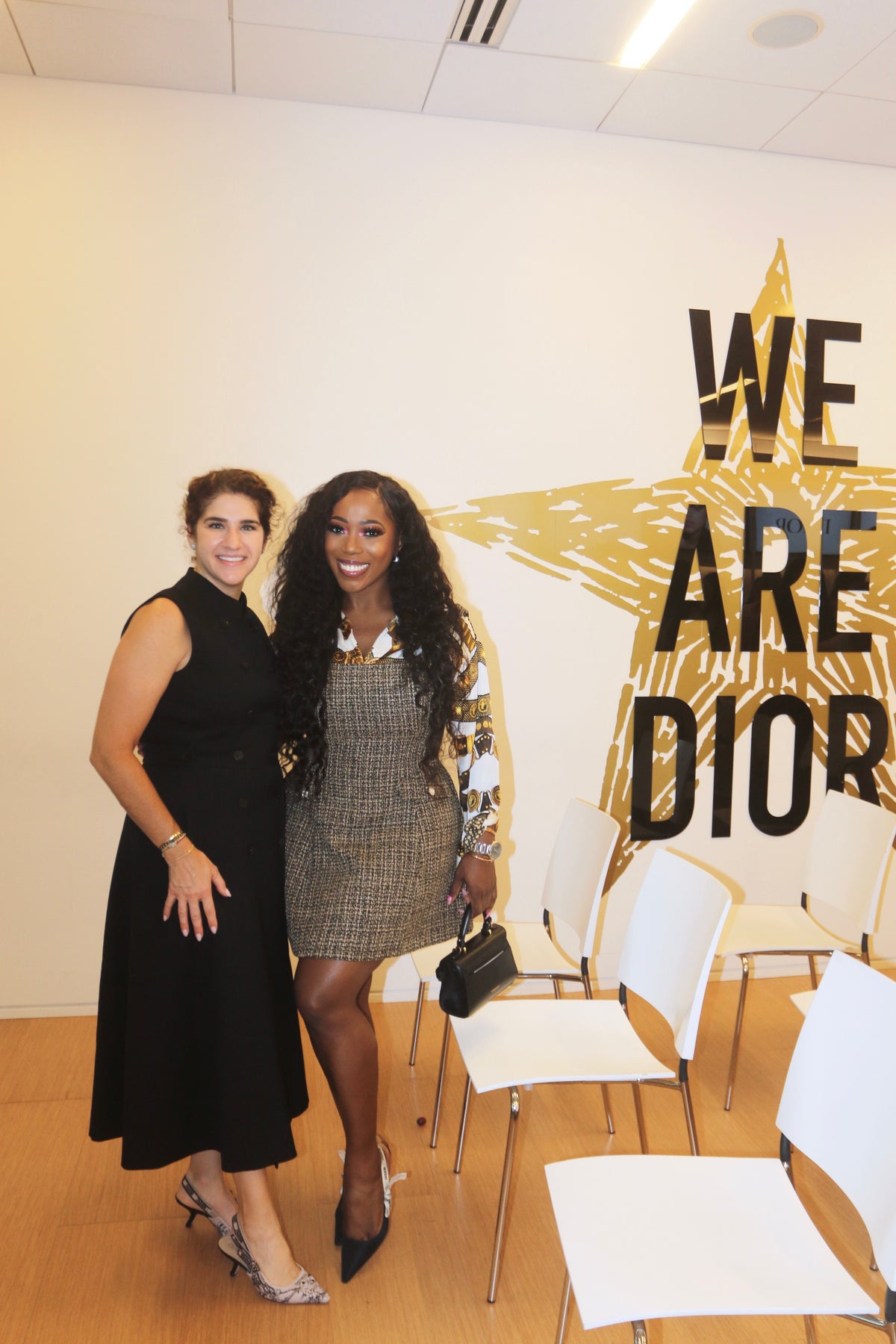
Select Leadership, Speaking & Industry Engagement
I am actively engaged across the business, luxury and academic communities as a speaker, advisor, mentor and industry participant, sharing my perspective on strategy, entrepreneurship, leadership and luxury.
Since 2023, I have been part of the Emerging Luxury Council at the Luxury Education Foundation, a highly selective group of 10 emerging luxury brands. Established at Columbia Business School, the Luxury Education Foundation brings together leaders from houses including Dior, Chanel, Ferrari, Hermès and Loro Piana with emerging luxury founders and the academic community.
Selected speaking engagements include:
- Forbes Summit — Speaker + Panelist
- Emory University, Goizueta — Keynote Speaker
- ACC Foundation + Greenberg Traurig — Speaker
- Chicago Booth Business School — Keynote Speaker
- Columbia University — Guest Lecturer
- NYU Stern Business School — Guest Lecturer
- NYU Wagner Graduate School — Guest Speaker
- Rice University Jones Business School — Speaker
- Goldman Sachs Women Conference — Panelist
- WSJ / Dow Jones SectorWatch — Interview
- Diversity in Tech Awards — Moderator & Host
- Social Media Week — Closing Keynote
Selected recognition: Inc. Magazine Top 250 Female Founders · National Retail Federation America’s Retail Champions · Emory University 40 Under 40
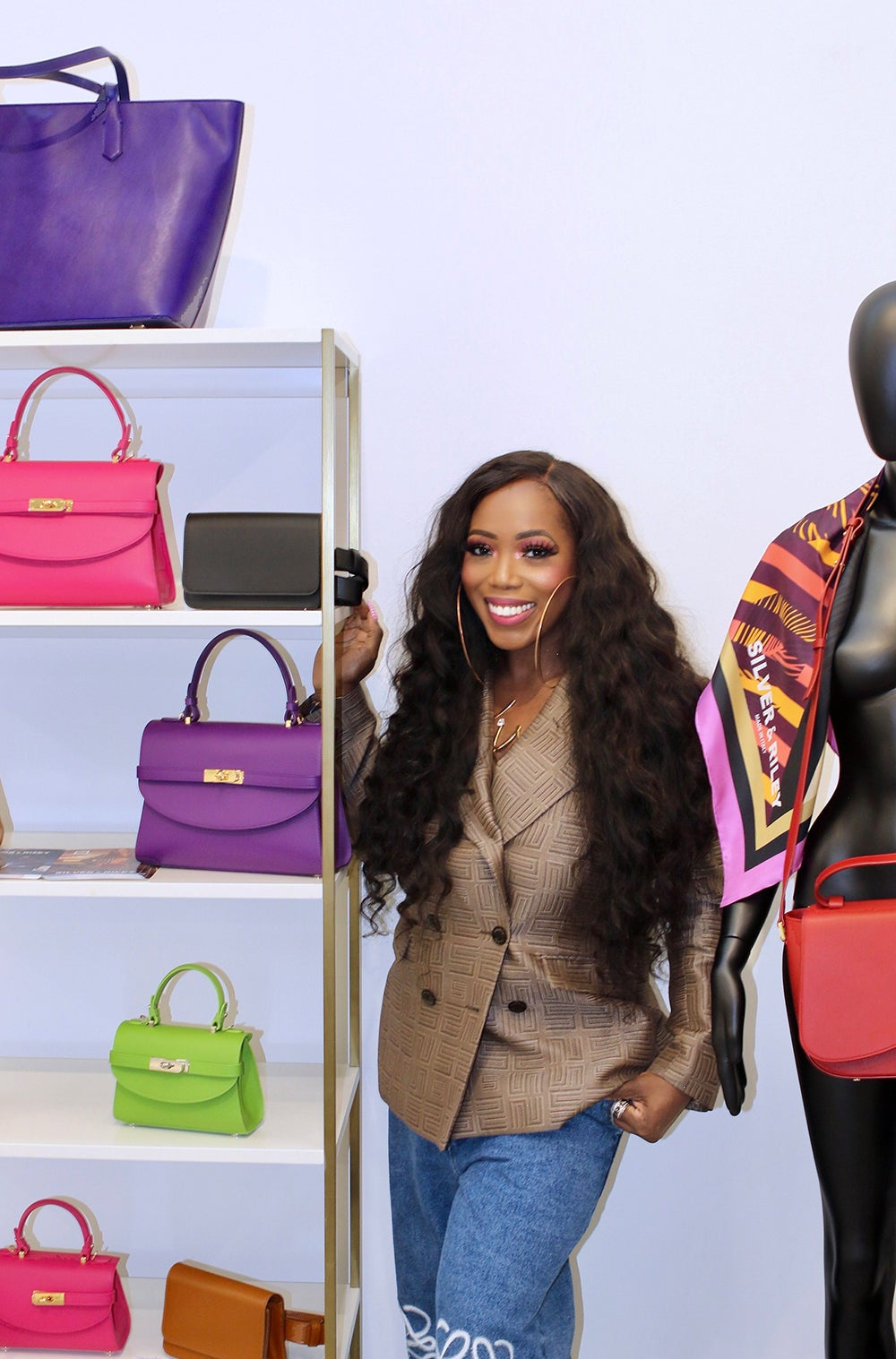
A Few Things I’m Proud Of
I find failures and what it actually took to work through them far more useful to talk about than a highlight reel. But a business cannot survive on lessons alone, and fortunately, we’ve had plenty of wins along the way.
- We grew Silver & Riley into a multimillion-dollar luxury business. I launched the company in 2019 as a complete fashion outsider, with no established industry network and barely any social following. We have grown primarily through our direct-to-consumer business while also establishing relationships with major U.S. retailers.
- More than half of our customers buy from us again. Our repeat purchase rate exceeds 50%, and approximately 14% of our customers own five or more Silver & Riley products. Few things make me prouder than seeing someone buy one product and eventually become a collector.
- Our return rate is less than 1%. With an average order value of approximately $600, fewer than one in 100 purchases are returned, an important measure of whether the product lives up to what customers believed they were buying online.
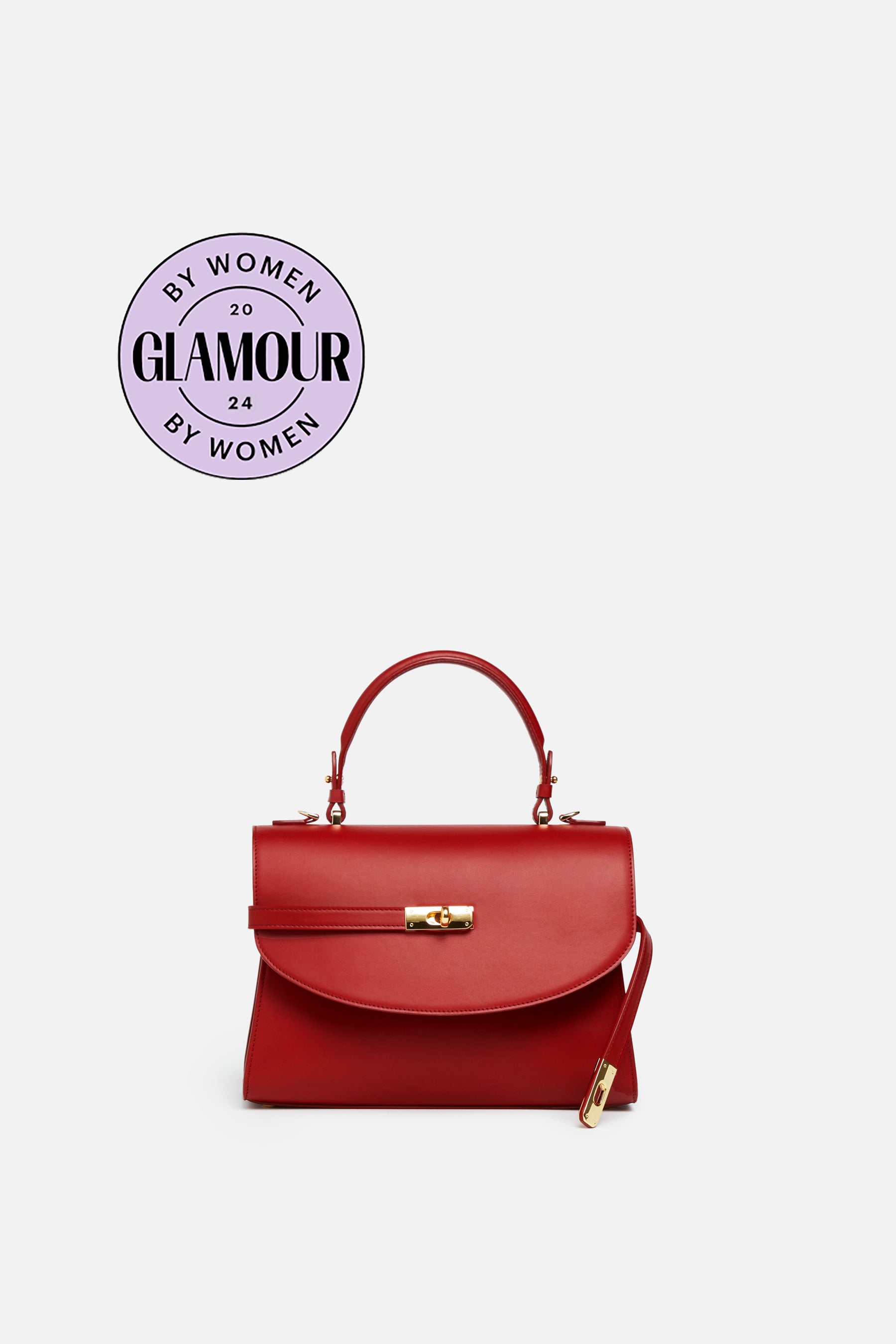
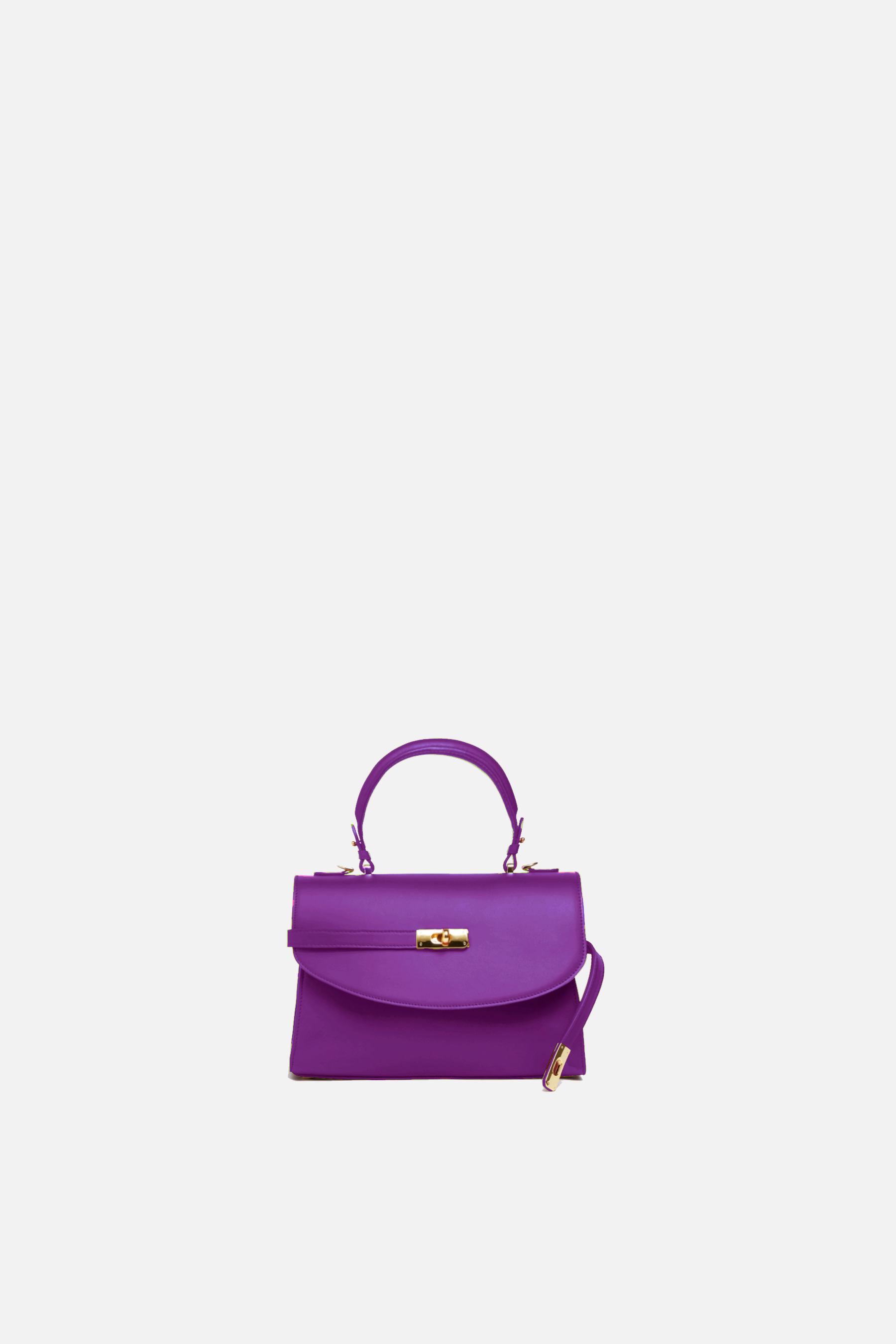
- We have created products that repeatedly sell out. The New Yorker has become our most proven handbag, with production runs selling through quickly and customers joining waitlists for restocks.
- We went from launch to Nordstrom in approximately two years. Silver & Riley began DTC and expanded into major retail relationships including Nordstrom, Saks, Macy’s / Bloomingdale’s.
- Our customers now span 27 countries. That international customer base developed organically without a global retail or distribution infrastructure.
- We’re working toward funding 1,000 women entrepreneurs by 2030. Since the beginning, our Buy 1, Give 5 program has allocated 5% of revenue to fund unrestricted cash grants for women entrepreneurs, with a particular focus on those who have historically had less access to traditional sources of capital. Our goal is to fund 1,000 women by 2030.
I’m proud of the milestones, but I’m just as interested in talking about what it actually took to reach them.
perspectives
Some topics I've been discussing lately
The longer I run Silver & Riley, the more interested I have become in the questions that don't have easy answers. Some are specific to luxury; others touch entrepreneurship, capital, technology, identity and the choices companies make about how they operate.
I am also drawn to the uncomfortable conversations. I don't think everything useful about entrepreneurship lives in the highlight reel, and I am comfortable talking about the mistakes, failures and industry dynamics that are usually easier to discuss after the fact.
Some topics I've been discussing include:
AI has dramatically lowered the barrier to creating a polished brand. A company can now generate sophisticated imagery, compelling copy, virtual models and entire campaigns in a fraction of the time and at a fraction of the cost once required. For emerging companies, that creates extraordinary opportunities. It also means that looking established is no longer particularly difficult.
What AI cannot accelerate nearly as easily is everything that has to be true behind the image: knowing what makes a great product, earning customer trust, developing strong manufacturing relationships and making consistently good decisions over time.
That distinction is especially interesting in luxury, where perception has always been part of the value proposition. If almost anyone can now create the appearance of a luxury brand, what will separate the companies that simply look the part from those that actually are?
AI is forcing luxury to confront an uncomfortable contradiction. The industry has spent decades asking consumers to pay more for human creativity, craftsmanship, authorship and skill, while increasingly adopting technology that can replace some of the people responsible for creating that value.
I am an engineer and spent part of my career in technology, so I am not opposed to automation. I am interested in where we choose to use it. Efficiency is valuable, but efficiency is not necessarily the highest objective in an industry whose value has historically depended on things that are deliberately difficult, skilled and human.
At Silver & Riley, we continue to work with real photographers, models, creatives and artisans, even when technology could make some of those choices cheaper. If luxury automates away more of the human contribution, at what point does it also begin to automate away part of the reason consumers pay a luxury premium?
“Made in Italy” carries (or carried?) enormous weight in luxury, often functioning as shorthand for craftsmanship and quality. Years of working directly with European manufacturers have made me much less willing to treat geography as a guarantee of either.
Italy has extraordinary artisans and factories. It also has manufacturers capable of disappointing work, something I have learned expensively. Quality ultimately depends on what is happening inside the product and inside the factory, not simply the country printed on the label.
I remain a strong believer in Italian craftsmanship; some of the finest work I have encountered comes from Italy. But as consumers scrutinize luxury prices more closely, I think we need to ask harder questions about what was actually made, how well it was made and whether the finished product justifies the value being assigned to it.
Modern venture capital generally rewards speed: rapid growth, rapid customer acquisition and rapid expansion. Luxury often asks for patience. Products take time to develop, inventory consumes cash before it generates revenue, manufacturing capacity cannot always be increased overnight, and brand credibility is accumulated over years.
I have experienced that tension from the founder’s seat. I have self-funded extensively, raised some seed capital and invested approximately $1.8 million of my own money into Silver & Riley.
That experience has made me question whether the financing models celebrated across entrepreneurship are always compatible with luxury. If the objective is to create a company that may take decades to reach its full potential, what kind of capital gives it the best chance to get there?
Fashion has normalized an extraordinary amount of free product. Celebrities, influencers, stylists, events and other industry players routinely receive merchandise without paying for it, supported by the assumption that visibility, association or access may ultimately be worth more to the brand than the product itself. At the scale of a major fashion house, that can be a rational marketing expense. For an emerging luxury brand, particularly a self-funded one, the economics are fundamentally different.
Every product has a real cost, and in a self-funded company that money may have come directly from the founder’s pocket. Yet emerging brands face enormous pressure to participate because they are also the companies most in need of awareness, influential relationships and cultural credibility. This creates a troubling imbalance: the brands with the least capital can feel the greatest pressure to subsidize the people and institutions with the greatest access and influence.
The cumulative effect is rarely discussed. One gifted bag may be immaterial, but repeated requests across stylists, influencers, celebrities, events and other opportunities can consume meaningful amounts of inventory and cash, often without any measurable return. The problem becomes even more pronounced when products supplied as loans are not returned or when brands incur additional shipping and operational costs pursuing opportunities that never materialize.
I have experienced these dynamics firsthand at Silver & Riley, where the cumulative cost of gifting and product placements that ultimately went nowhere has exceeded $150,000. That experience has made me believe the industry needs to examine gifting far more critically, particularly as it relates to emerging and self-funded brands. The issue is not whether gifting can work. The more important question is whether fashion has created a system in which the brands with the least capital are expected to finance their own access to the people and institutions with the greatest influence, and what that dynamic ultimately costs the companies trying to break through.
Every heritage house was new once. The difference is that we encounter many of them only after decades of history have already accumulated, making heritage appear almost inherent to the brand.
For a younger luxury company, heritage develops gradually through decisions that may seem relatively ordinary when they are being made. A product that remains in the collection for years can become a signature, certain design choices can become recognizable codes, and relationships with manufacturers can influence the product for decades. The interesting part is that you cannot simply declare any of those things heritage; their significance only becomes clear with time.
Silver & Riley is only seven years old and as my goal has always been to build a legacy brand, it's fascinating to think about which decisions being made today will eventually become the traditions, signatures and stories people associate with the company decades from now.
Early in Silver & Riley’s life, I considered not publicly identifying myself as its founder. I worried that once consumers knew a Black woman was behind the company, some might unconsciously form assumptions about what the products should cost, who the brand was for or how much value to assign to it before ever experiencing the product.
I ultimately chose visibility, but the underlying question never disappeared. Founder identity can create community and discovery, but it can also become a commercial category imposed on a company in ways that do not happen equally across the industry.
Why are some luxury houses allowed to transcend the identities of their founders while others remain inseparable from them? And at what point does representation become segmentation?
Consumers increasingly say they want companies to pay workers fairly, use better materials, manufacture responsibly and reduce environmental harm. The difficult part is that each of those choices has an economic consequence, while the same company is competing against businesses designed around dramatically lower costs, faster production and enormous volume.
The experiences of companies such as Everlane, Allbirds and Mara Hoffman have made this tension increasingly difficult to ignore. Different businesses, different circumstances, but each illustrates how complicated it can be to turn ethical intentions into durable economics.
I experience versions of that tradeoff at Silver & Riley as well. If consumers want a more responsible fashion industry, can individual brands carry the full cost of creating it while competing against companies that do not play by the same rules?
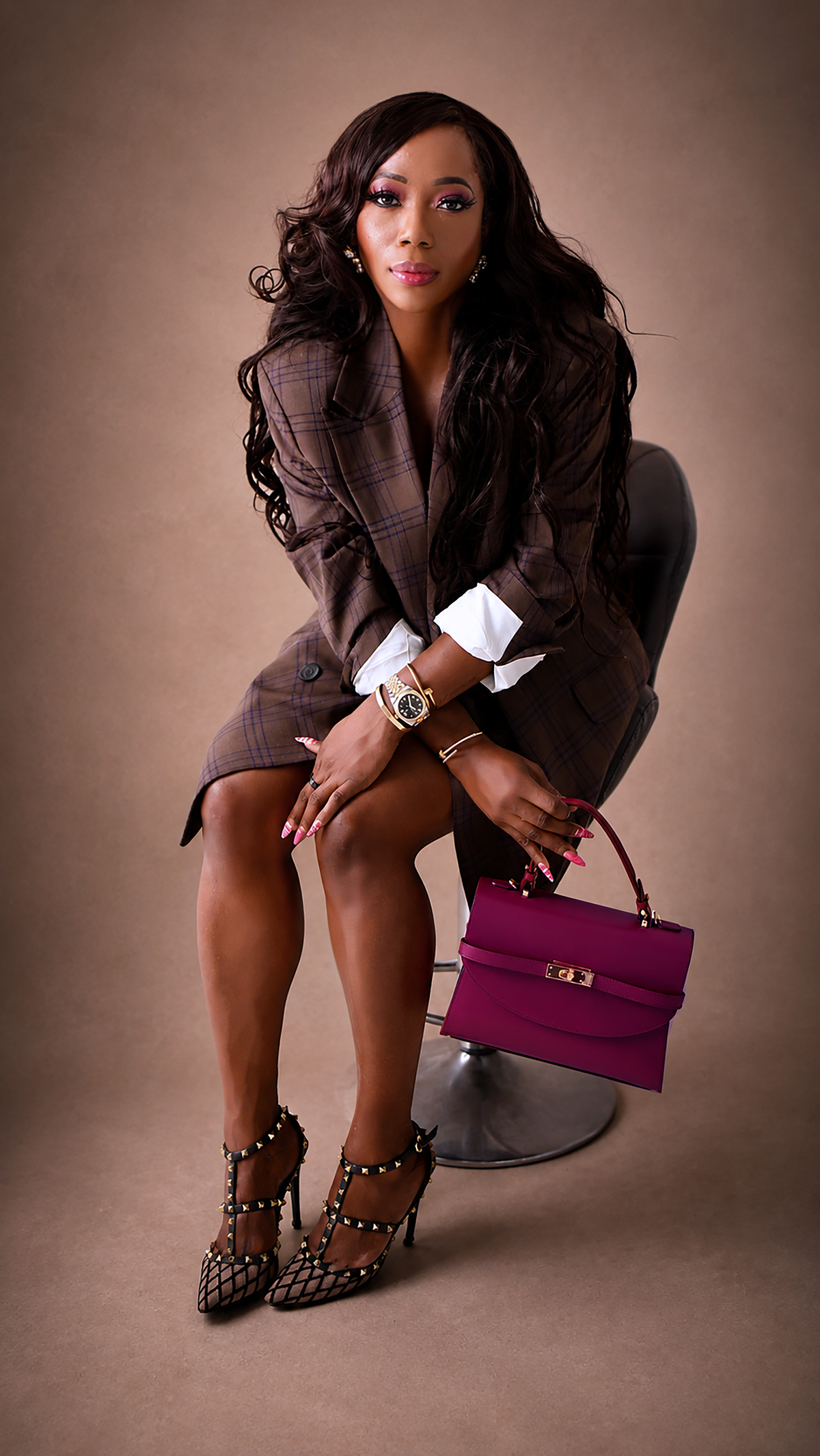
I’m Not Interested in Only Telling the Polished Founder Story
Seven years in business has given me plenty to be proud of and some very expensive lessons. I am comfortable talking about both.
I am willing to talk candidly about periods when cash got dangerously tight, having significant amounts of my own money tied up in inventory, supplier relationships that went wrong, production mistakes that cost hundreds of thousands of dollars and logistics failures serious enough to involve police reports and lawsuits. I can also speak to the harder realities of operating within the fashion industry, including the power imbalance between emerging brands and larger industry players and what happens when a young company is expected to absorb costs that would barely register at a major luxury house.
Capital inequity is another conversation I do not avoid. I know firsthand how unequal access to capital affects the trajectory of an emerging company, and what it means to raise money as a Black woman in luxury, to hear no repeatedly, and to make decisions about growth when the ambition for the company is significantly larger than the capital available to pursue it.
Too much of entrepreneurship is told retrospectively, when the difficult decisions have become anecdotes and the uncertainty has been edited out. I am still in it. Silver & Riley is seven years old, and I can talk about what has worked, what hasn't, what mistakes have actually cost, and what I would do differently if I started today.
I think those conversations are often more useful than another founder story in which every setback conveniently becomes the breakthrough.
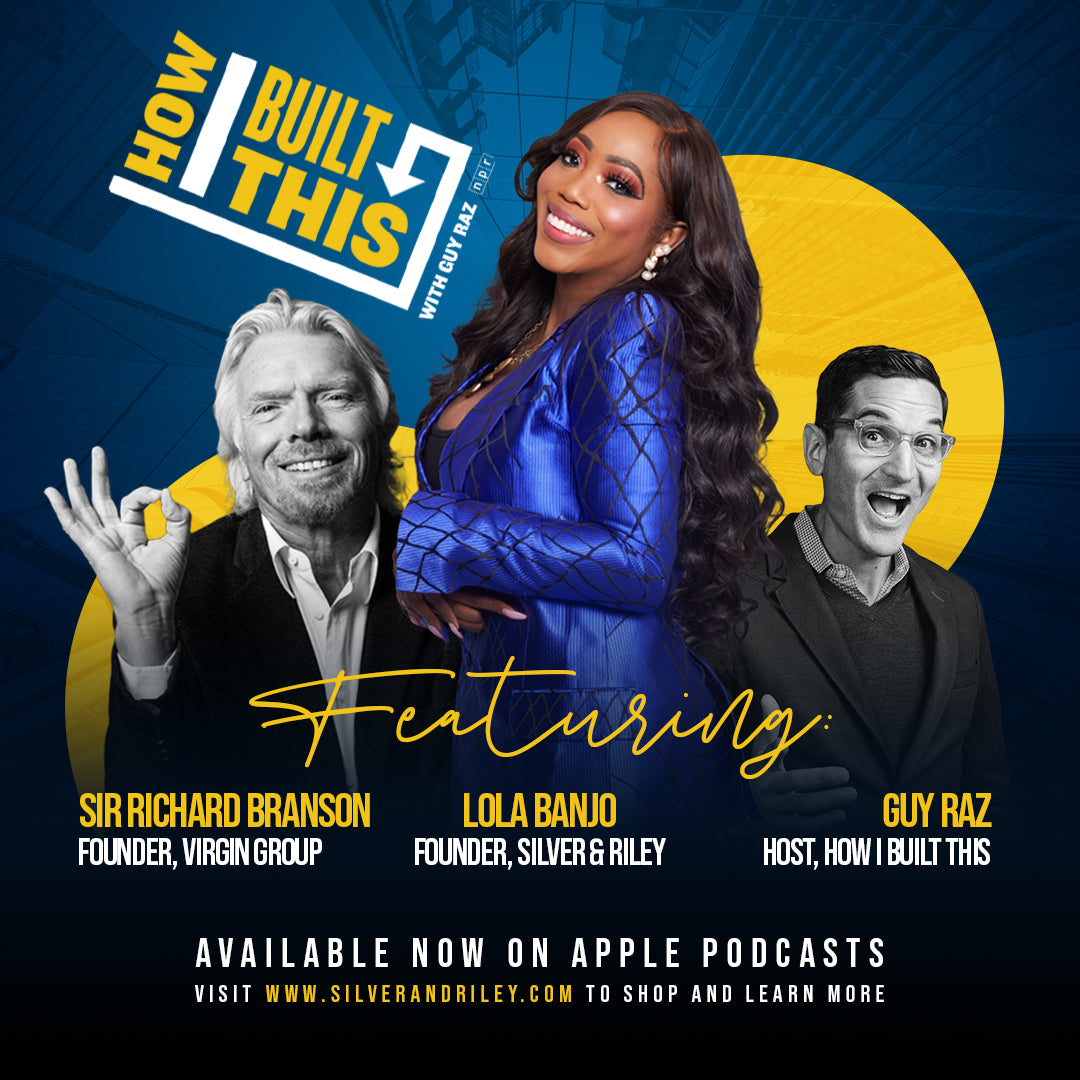
Select Media Appearances
I have appeared across leading business, entrepreneurship and news platforms for conversations on entrepreneurship, strategy, leadership, culture and the experience of building Silver & Riley.
- How I Built This with Guy Raz (guest featuring Richard Branson on advice line). Listen here.
- BossBabe Podcast — The Secret to Turning Rejection Into Success and Building a Business Fueled by Purpose
- Side Hustle Pro — How Lola Banjo Launched Luxury Handbag Brand Silver & Riley While Side Hustling
- MarketWatch / Dow Jones SectorWatch — Interview on workplace diversity and performance
- NJ Spotlight News — Television interview
- Her Agenda and Revolt — The Power of Partnership with Vanessa Simmons
- LollieTasking Podcast — The North Star Strategy: How Lola Banjo Built Silver & Riley
My conversations range from the realities of entrepreneurship and financing an independent company to leadership, strategy and the larger business and cultural questions behind the founder journey. I particularly enjoy interviews that leave room to get beyond the polished version of the story.

Select Press Features
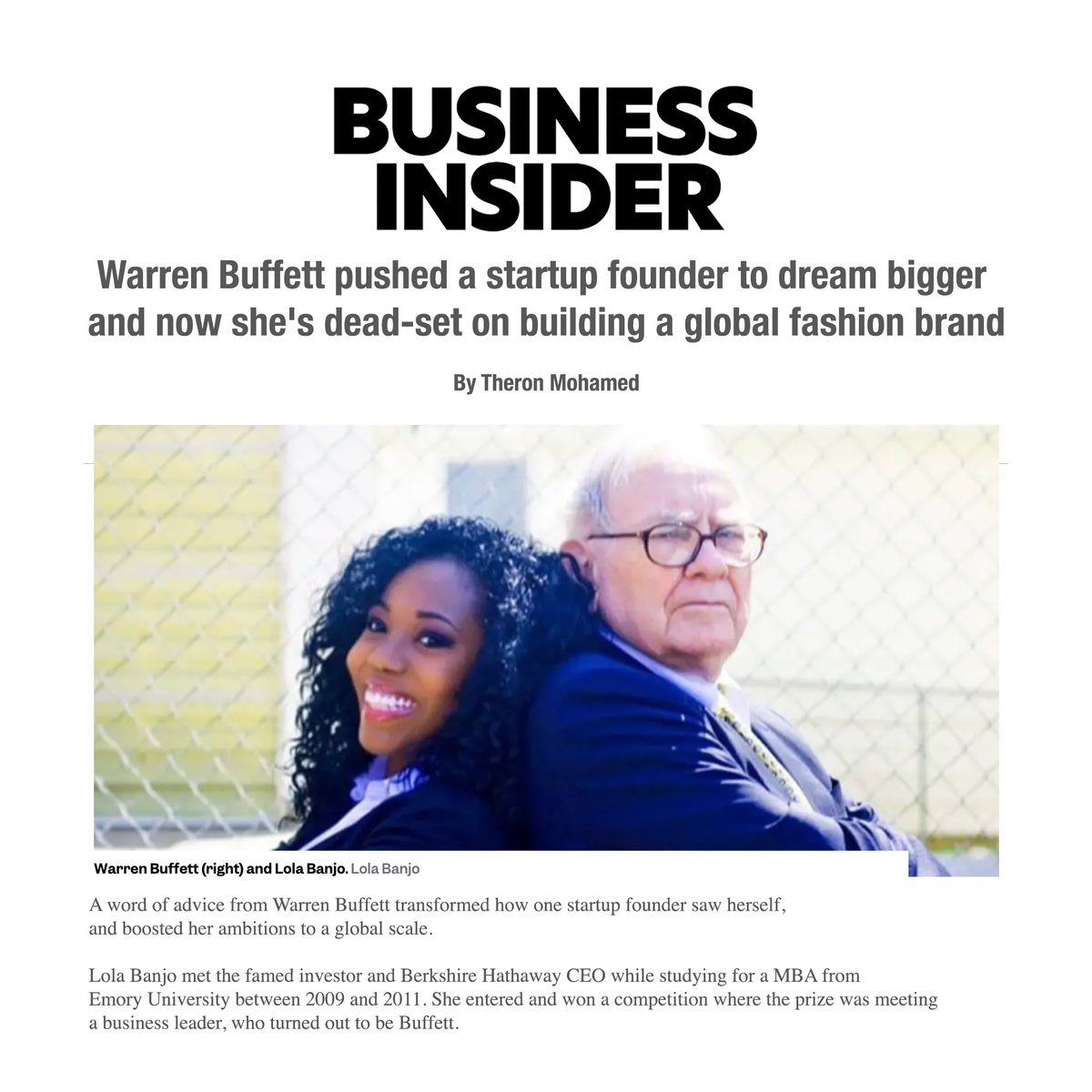
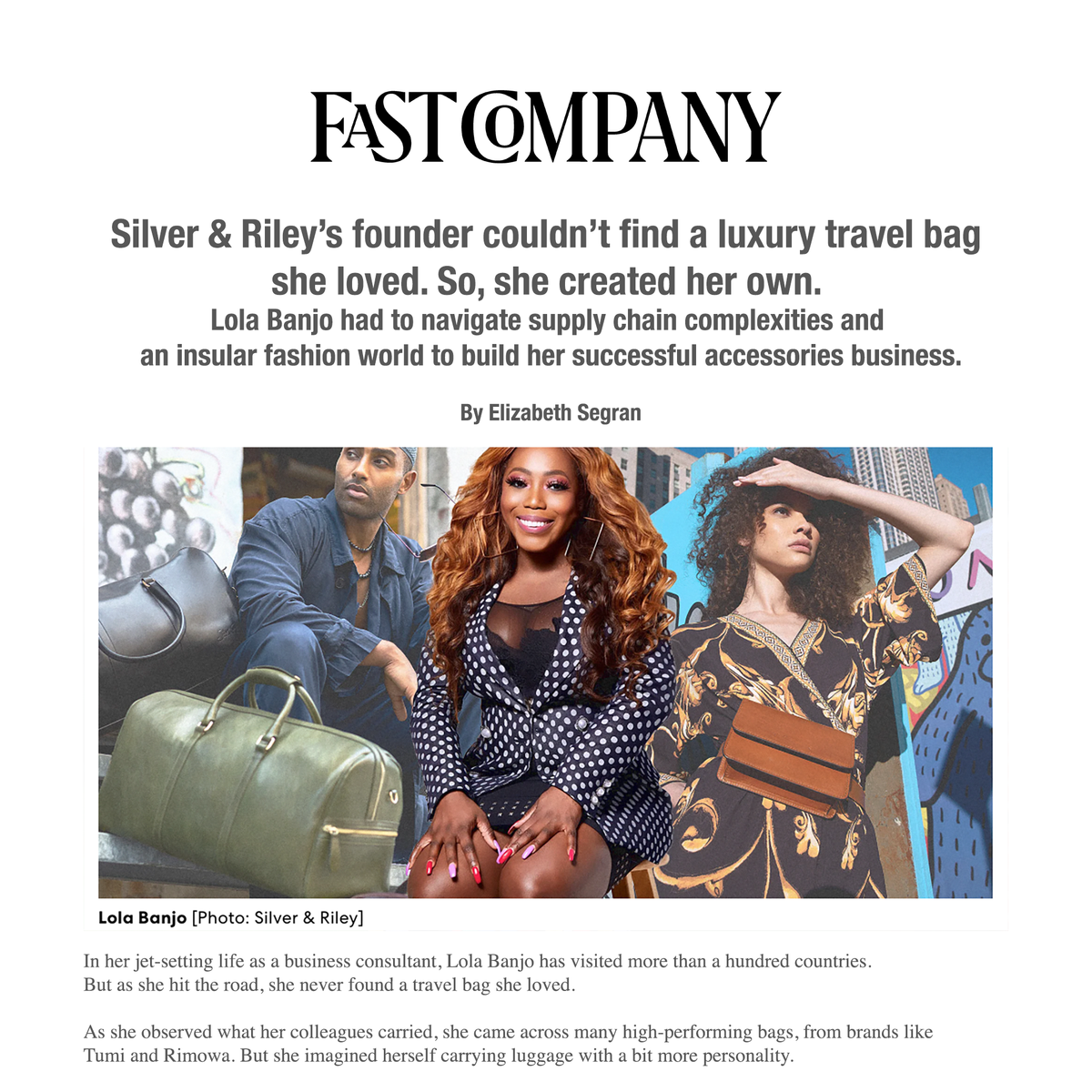
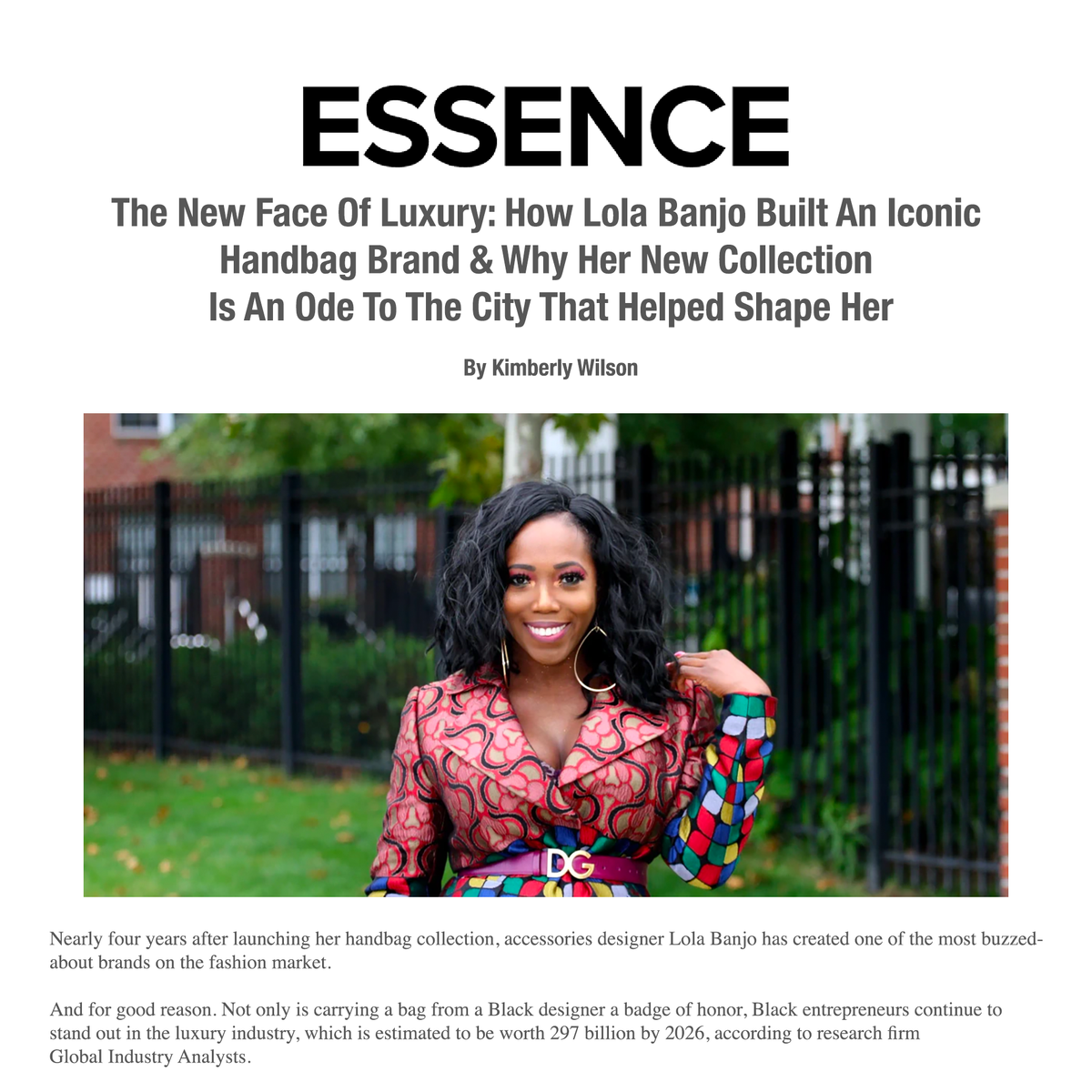
I have been featured in Vogue, The Wall Street Journal, Fast Company, Business Insider, Inc. Magazine, Essence, Glossy, Black Enterprise, Blavity and other national media, with coverage spanning entrepreneurship, business, luxury, fashion and the growth of Silver & Riley. A selection of features is highlighted below.
Inquiries & Engagements
I welcome inquiries from journalists, editors, podcast and television producers, conference organizers, universities, industry organizations and companies seeking speakers, panelists or moderators.
For editorial interviews, press commentary, podcasts and select media appearances, I generally do not charge a fee. For keynotes, corporate events, conferences and other commercial speaking engagements, fees vary based on the format and scope, with travel and related expenses generally covered by the host for engagements outside the New York City area.
For stories, interviews, podcasts, television appearances or speaking opportunities, please reach out with details about the opportunity and timing.
For media, speaking and editorial inquiries: press@silverandriley.com
For time-sensitive media requests, please include your deadline in the subject line.
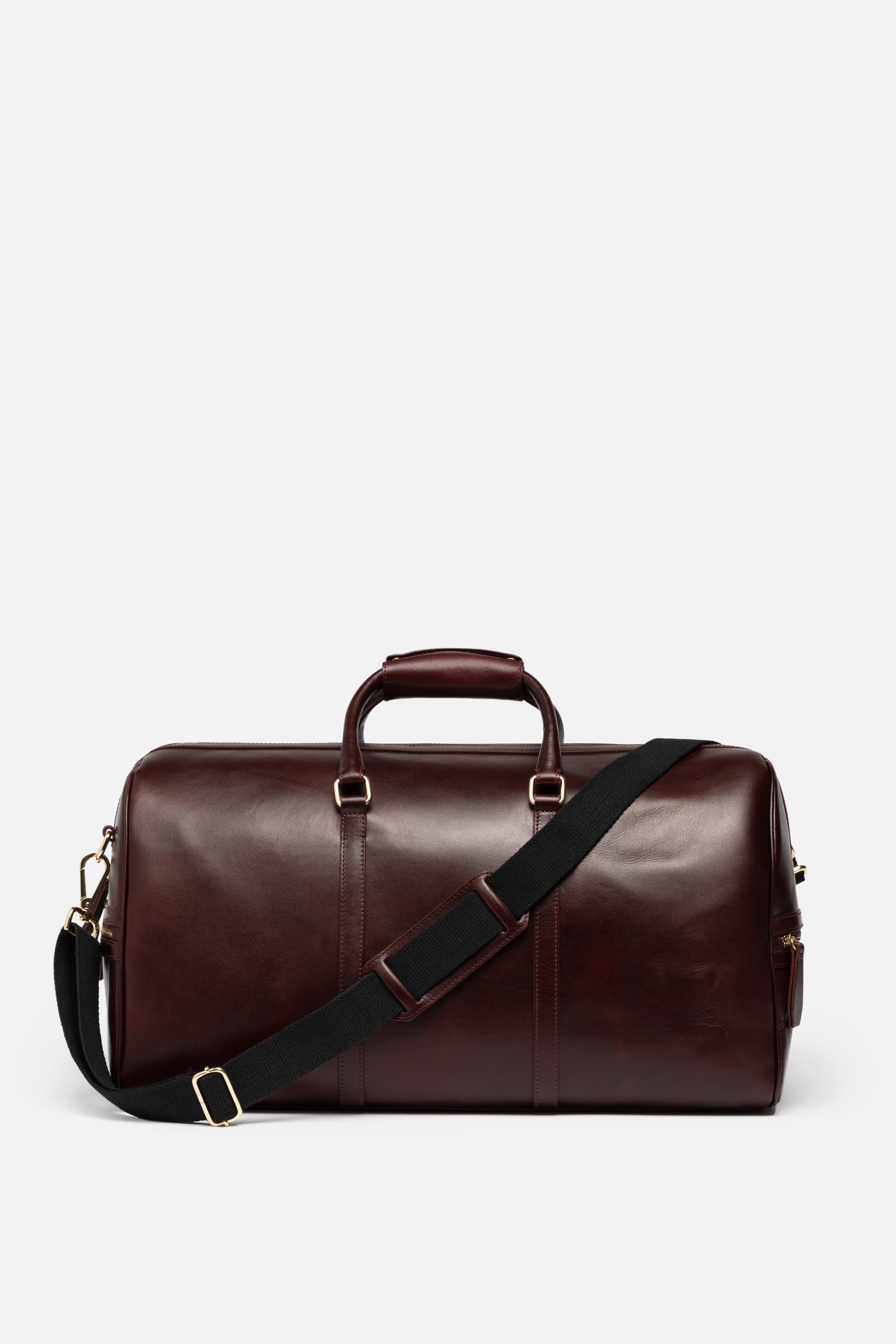
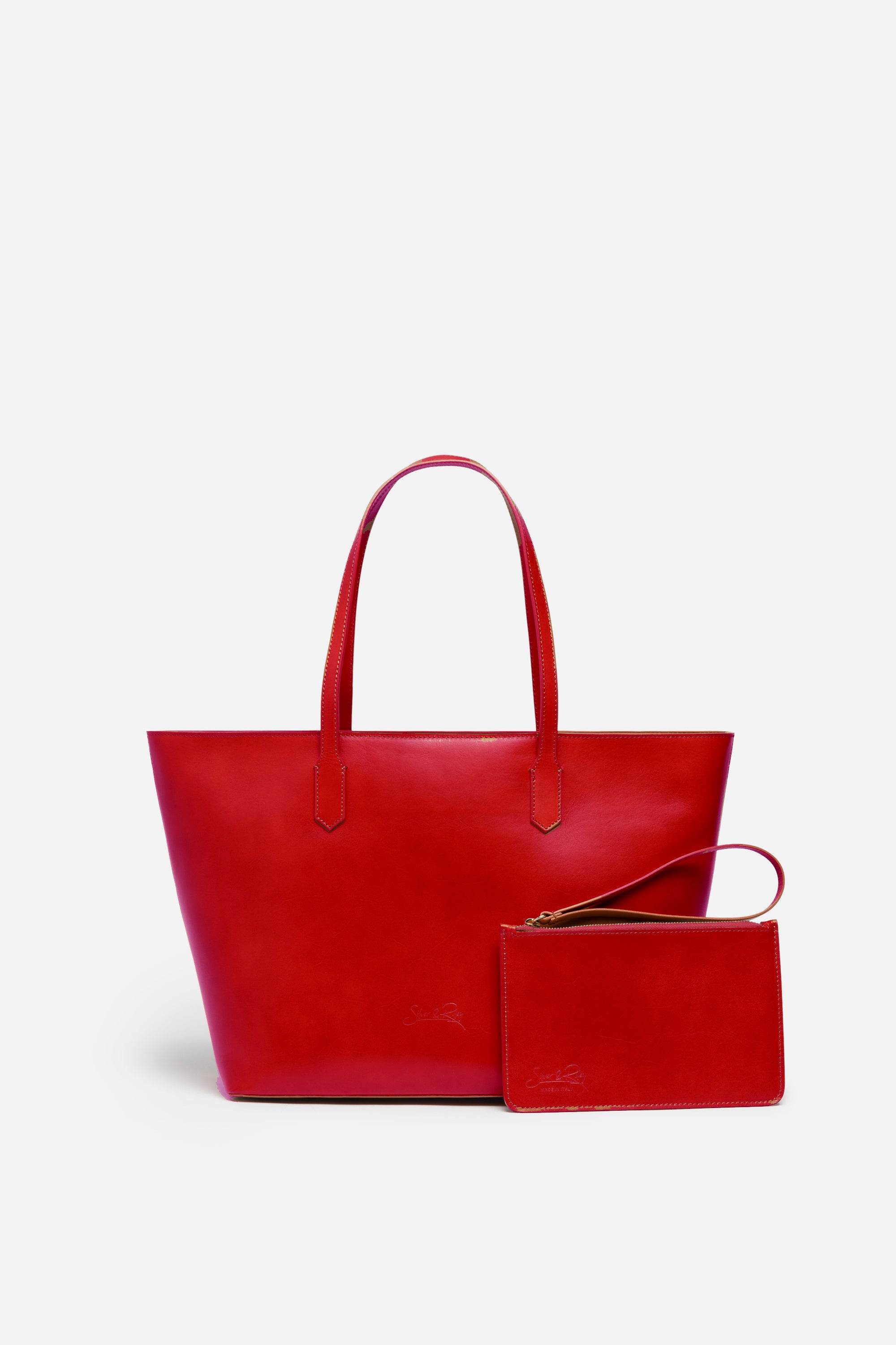
DISCOVER OUR BESTSELLERS
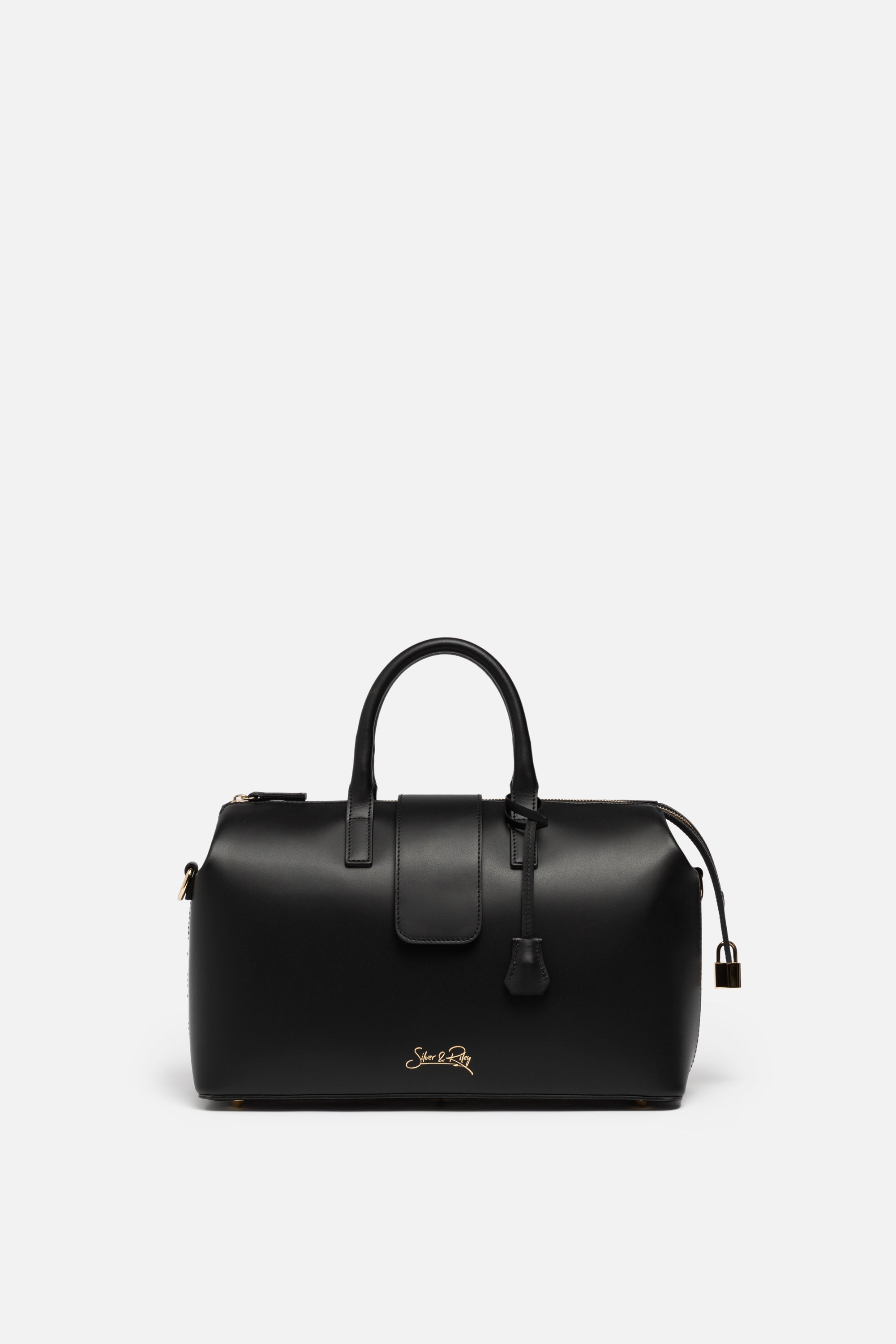
Bestsellers

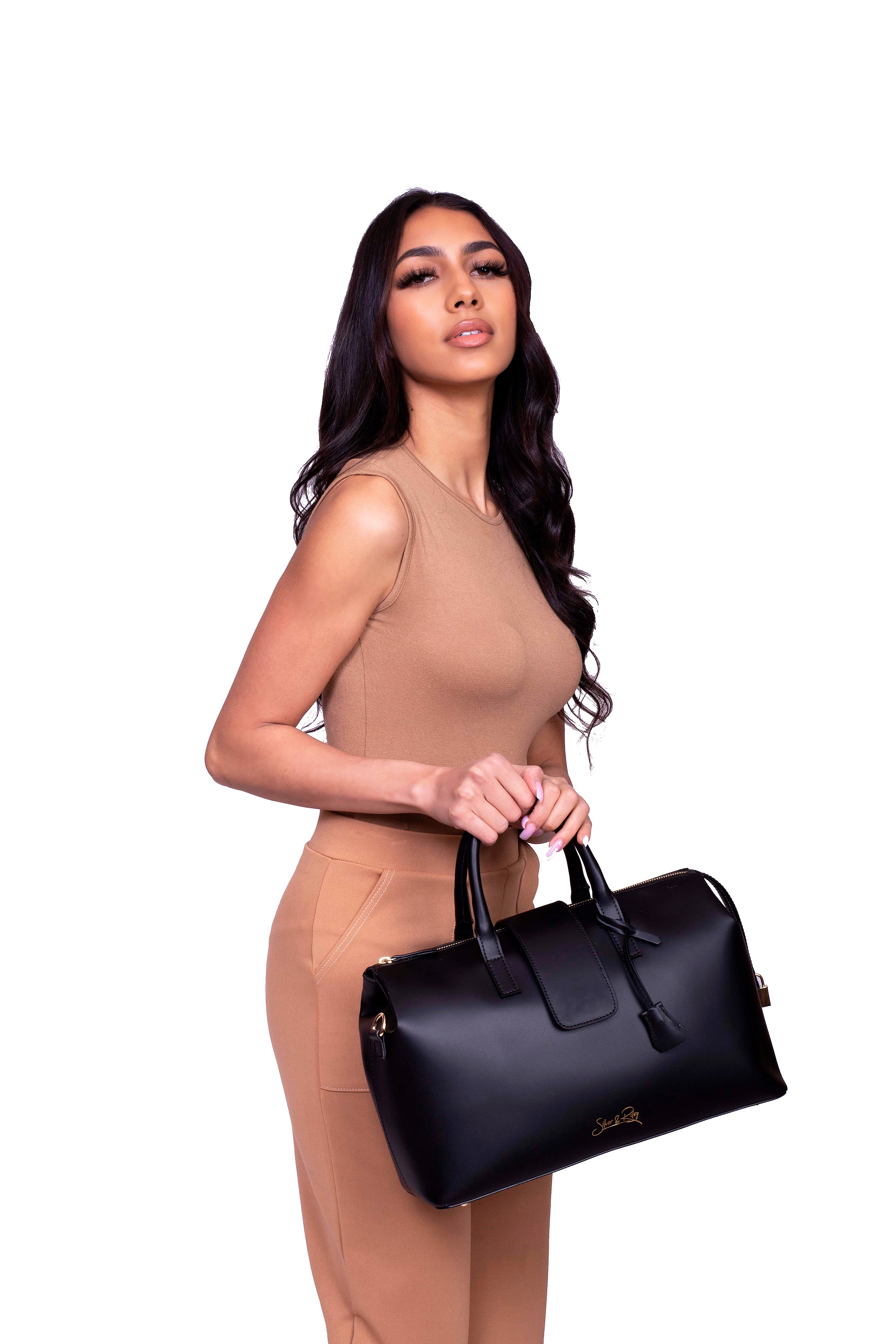

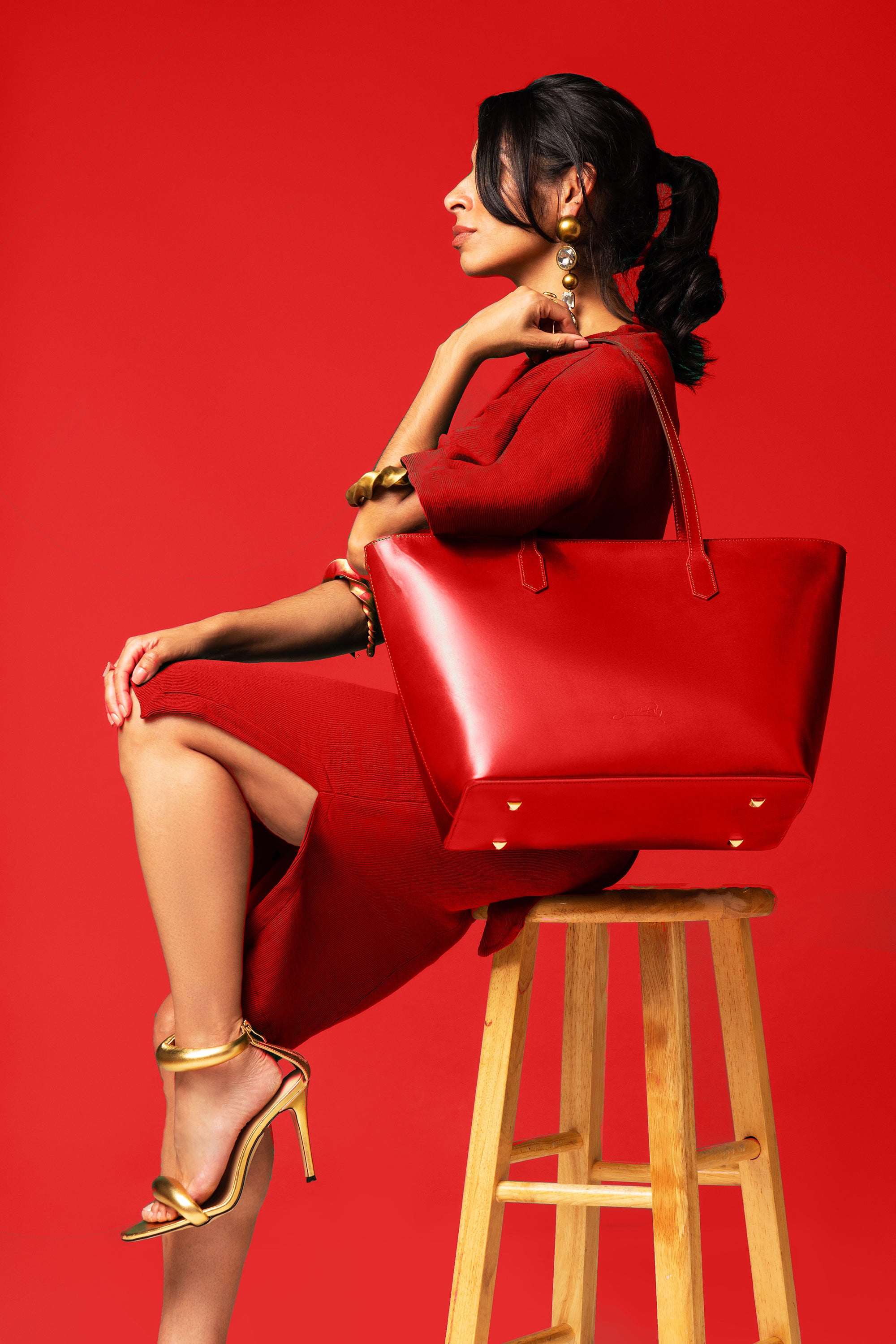
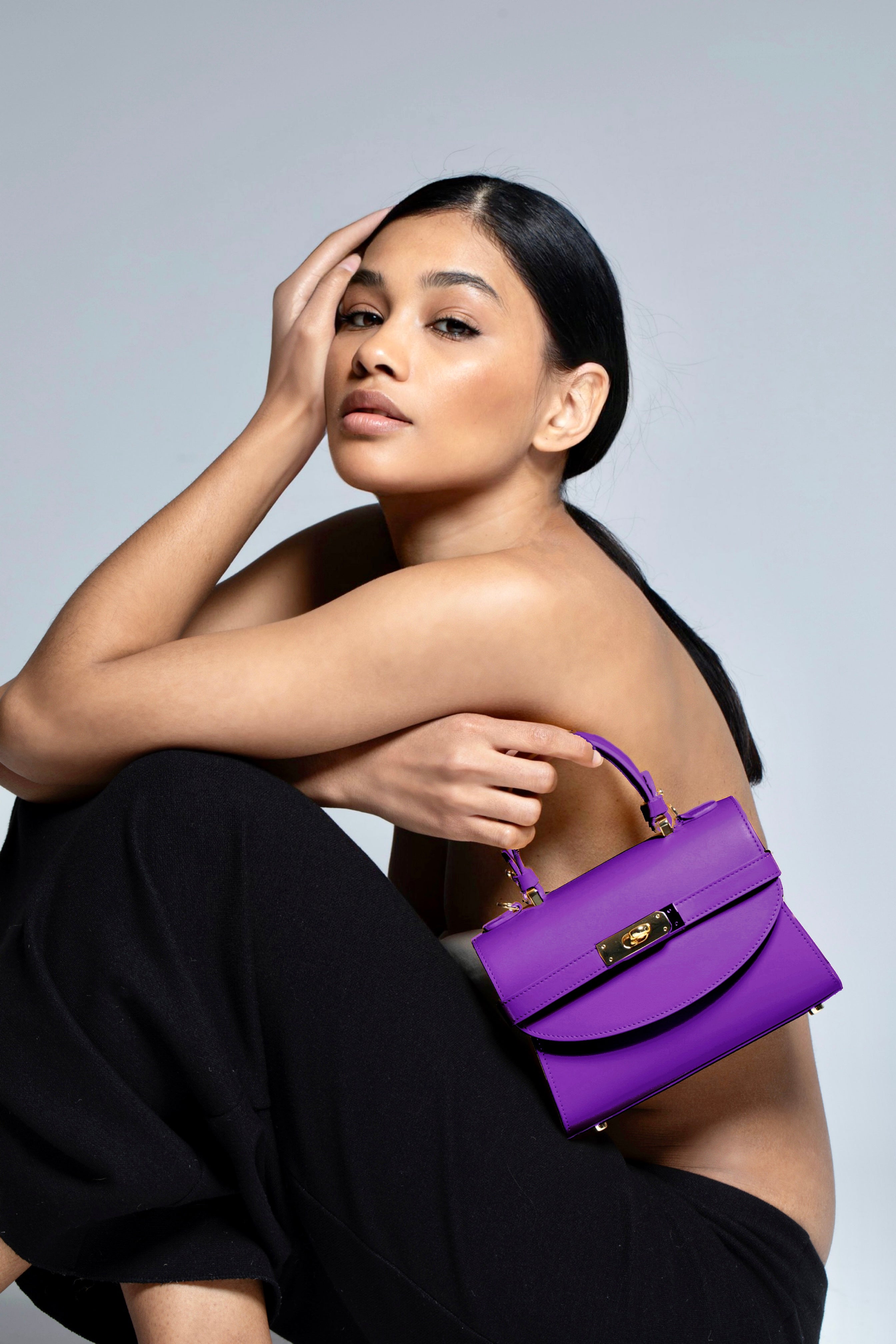

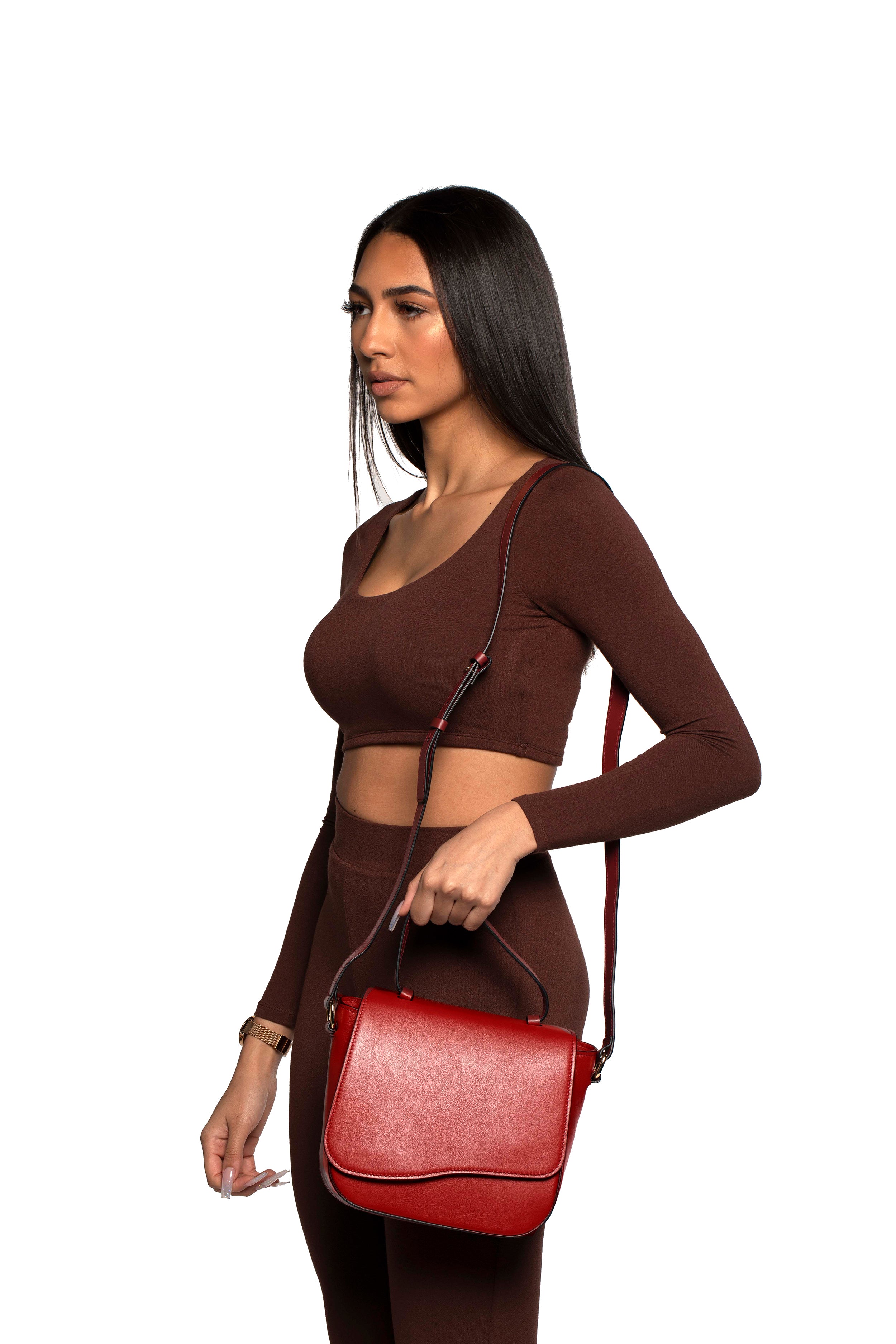
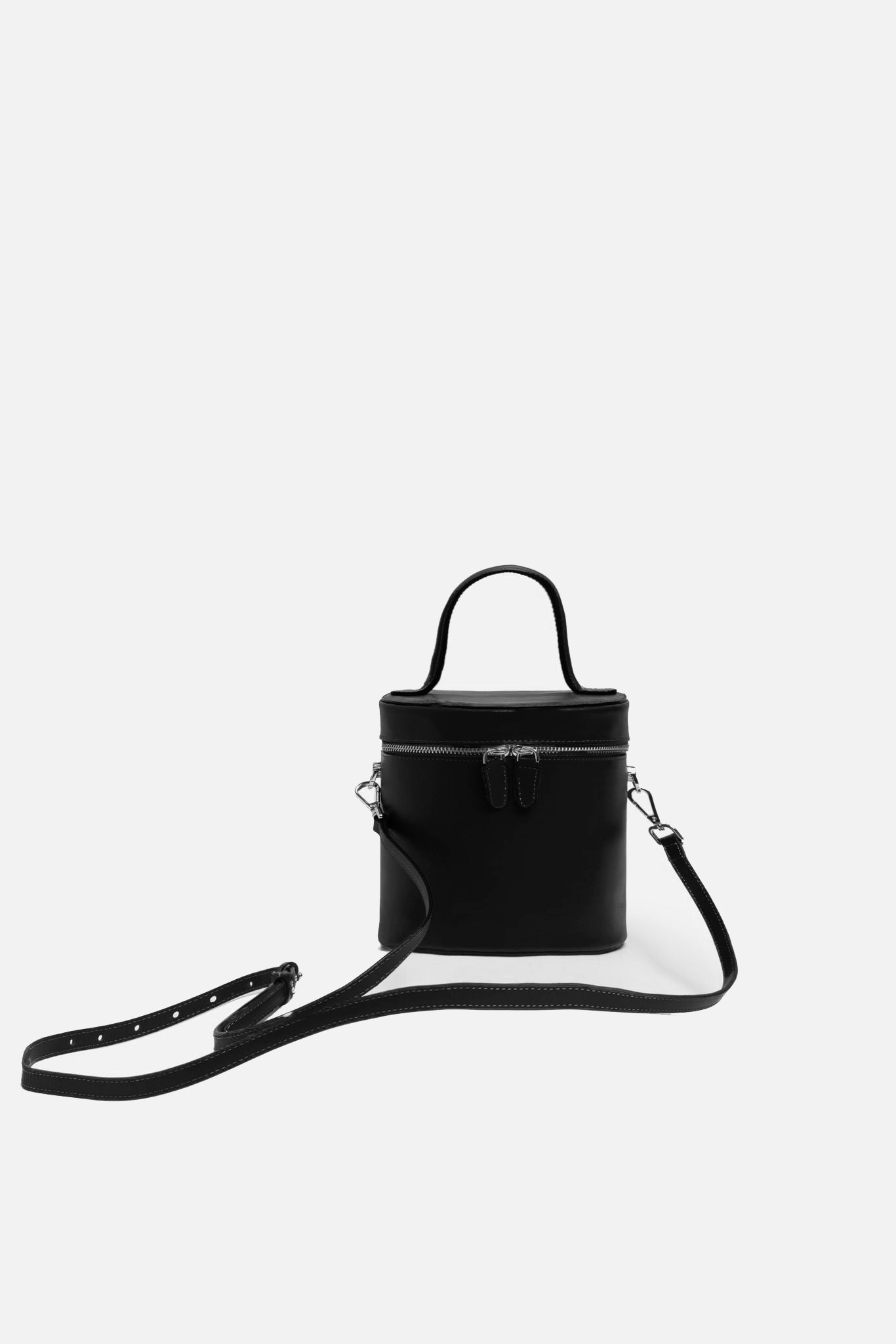
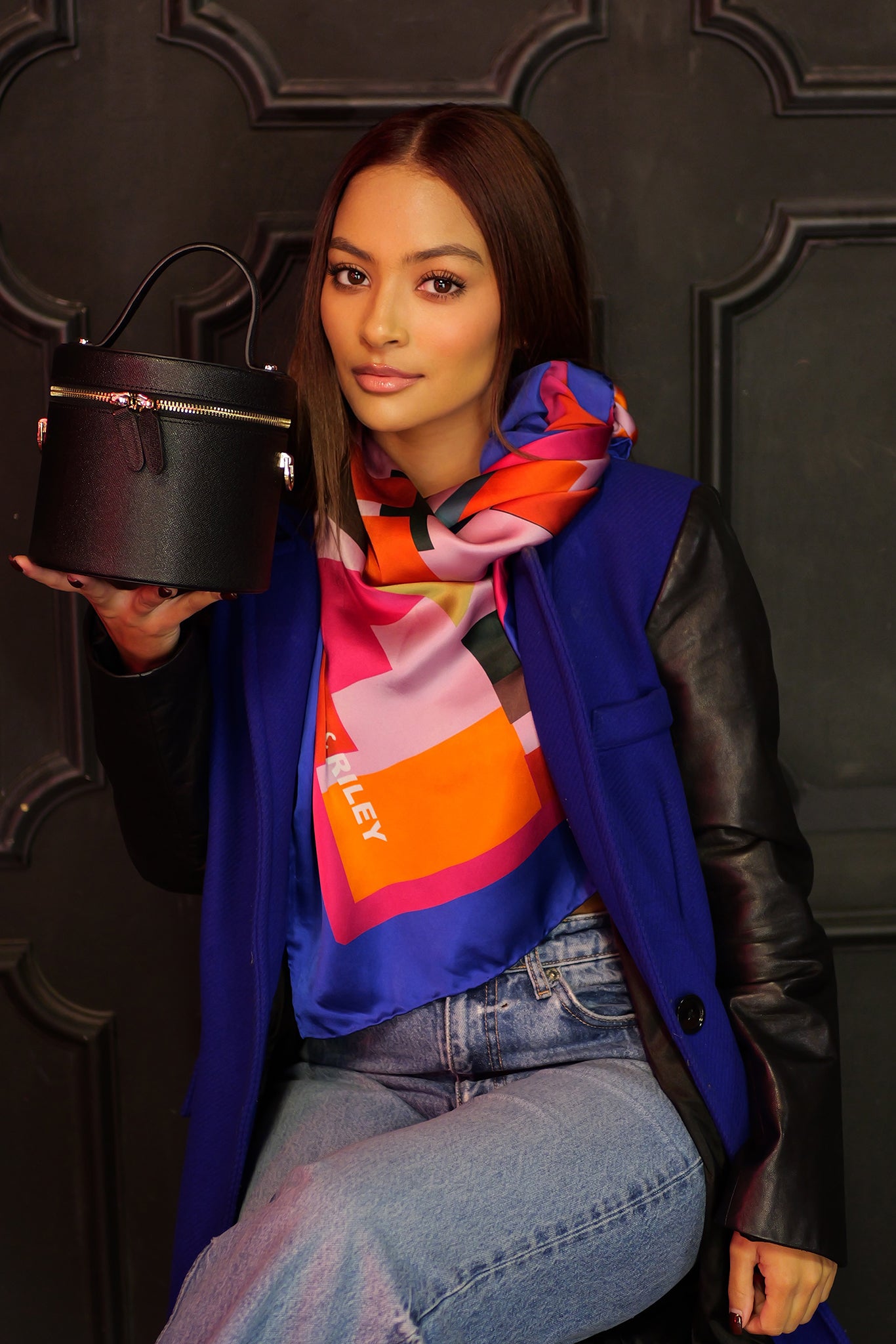

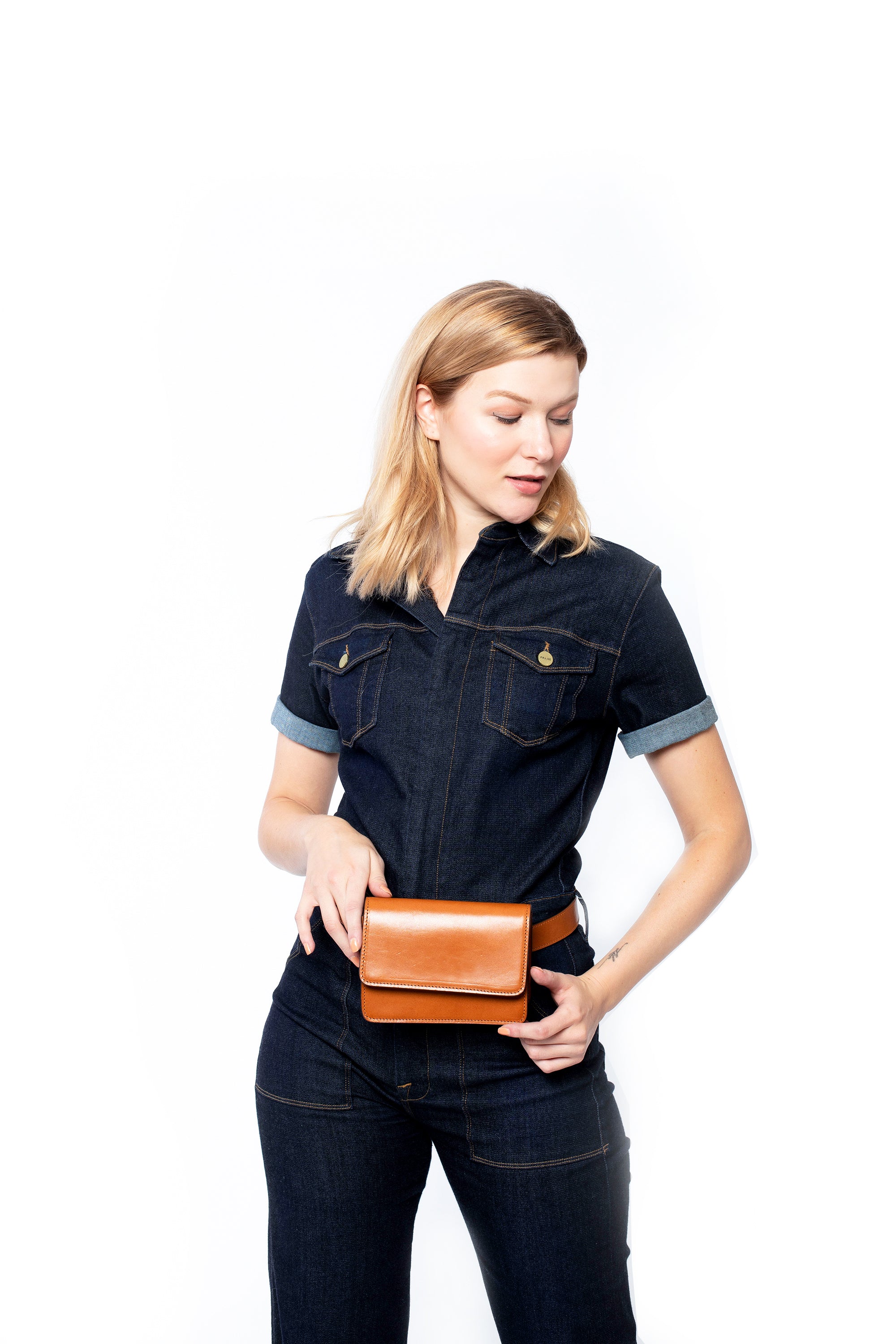
We Proudly showcase real people. No AI models, ever.
Silver & Riley is designed for real life. Every campaign and image features real people whose confidence and creativity reflect the ambition our products are crafted to support. We do not use AI models, now or ever. In an era of digital perfection, we proudly work with real people and celebrate the clients, creatives and supporters whose energy brings our brand to life.


