
Why AI Cannot Replace Human Taste: The Role of Human Judgment in Luxury Design
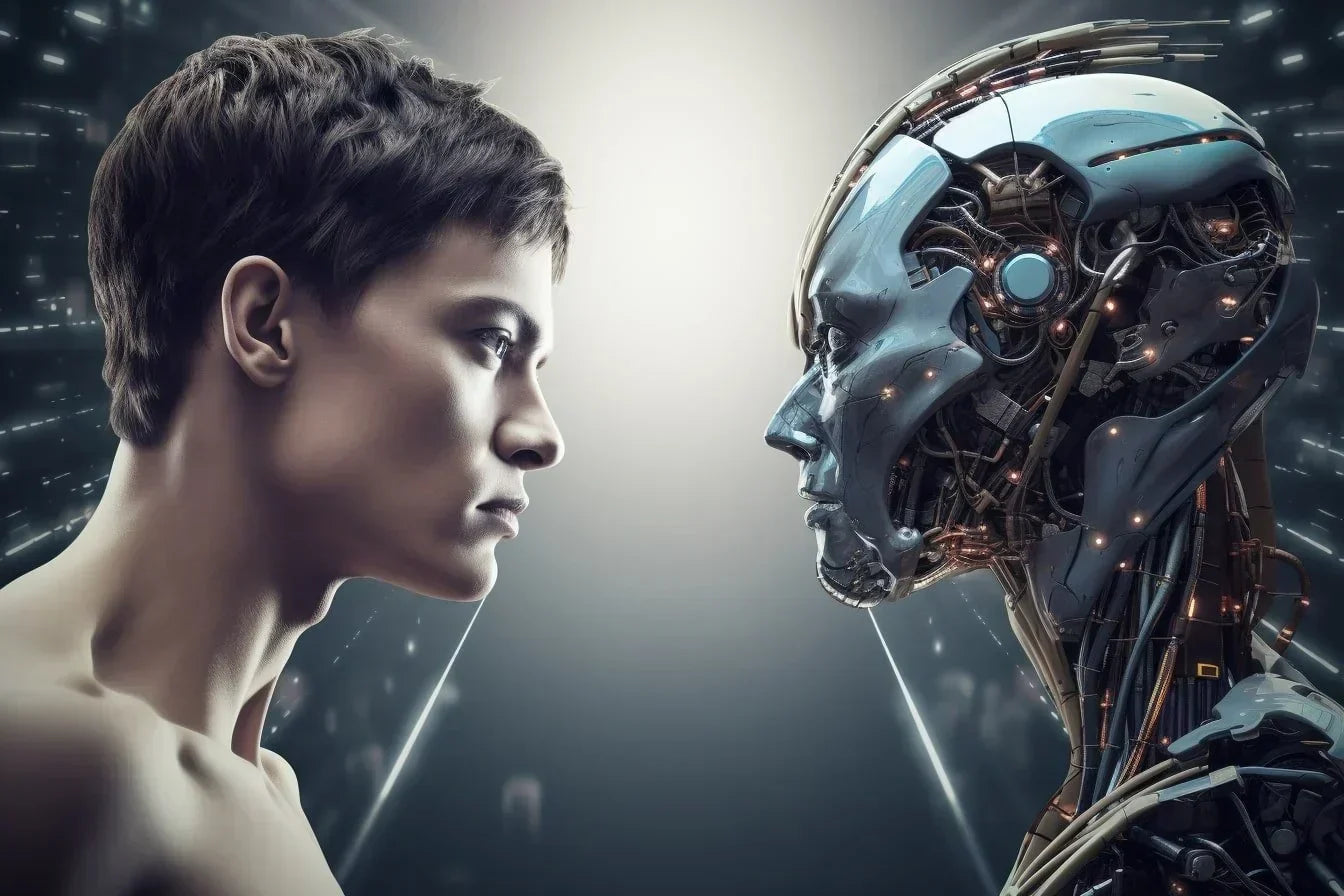
Artificial intelligence is reshaping design, marketing, and production across the fashion industry. Algorithms now generate patterns, forecast trends, write captions, and automate studio processes once handled by creative teams. However, while these tools offer efficiency, scale, and predictive power, they cannot replicate the cultural insight, emotional sensitivity, and aesthetic intuition that define luxury design. The highest tier of the industry has always relied on human judgment and relies on people who understand how proportion interacts with culture, how silhouettes communicate identity, and how materials express value. AI can process information faster, but it cannot interpret meaning in the way a trained creative mind can.
Luxury is fundamentally a human business. It is informed by lived experiences, craftsmanship traditions, and subtle design choices that reflect an emotional truth rather than a statistical average. The tension between AI’s capabilities and human taste is becoming one of the most important conversations in fashion. Understanding the limits of automation helps clarify why the future of luxury will depend not on replacing creative talent but on strengthening it.
AI’s Power: Speed, Scale, and Data Synthesis
AI is exceptionally good at identifying patterns. It can analyze millions of images, run simulations, and predict consumer preferences based on historical data. For mass-market brands that operate on speed and trend responsiveness, this is a strategic advantage. AI-driven tools can reduce lead times, test color palettes, and replicate runway silhouettes in minutes. These capabilities support business models built on rapid turnover and low production cost.
In product development, AI can generate large volumes of design variations that teams can evaluate quickly. This accelerates the early stages of ideation and increases the number of concepts explored. AI also enhances forecasting by analyzing social data, search history, and retail performance metrics to predict which styles may resonate with consumers. These insights help brands mitigate inventory risks and align their offerings with projected demand. It is also transforming operational functions such as merchandising, warehousing, content automation, and customer segmentation. These applications create efficiencies that allow brands to allocate resources more strategically. However, the reliance on data introduces an inherent limitation:
AI can only interpret patterns from the past. It identifies what has already happened, not what should happen next.
Why AI Cannot Generate Taste, Sensibility, or Cultural Meaning
Luxury design requires a nuanced understanding of culture, identity, and emotional expression. Taste is not a formula; it is a literacy shaped by years of exposure, training, and intuitive interpretation. Designers respond to the human experience, not data trends. They draw from museums, architecture, lived environments, global traveling, craft traditions, and personal experiences that influence how they see the world. AI cannot replicate these inputs because it does not have a life, a memory, or a perspective.
Taste involves selective restraint and the ability to see what should be removed rather than added. AI generates outputs based on accumulation, but refined design requires judgment. A designer knows when a line is too sharp, when a proportion feels unbalanced, or when a material does not belong in a particular silhouette. These insights cannot be taught to an algorithm because they originate from intuition rather than computation.
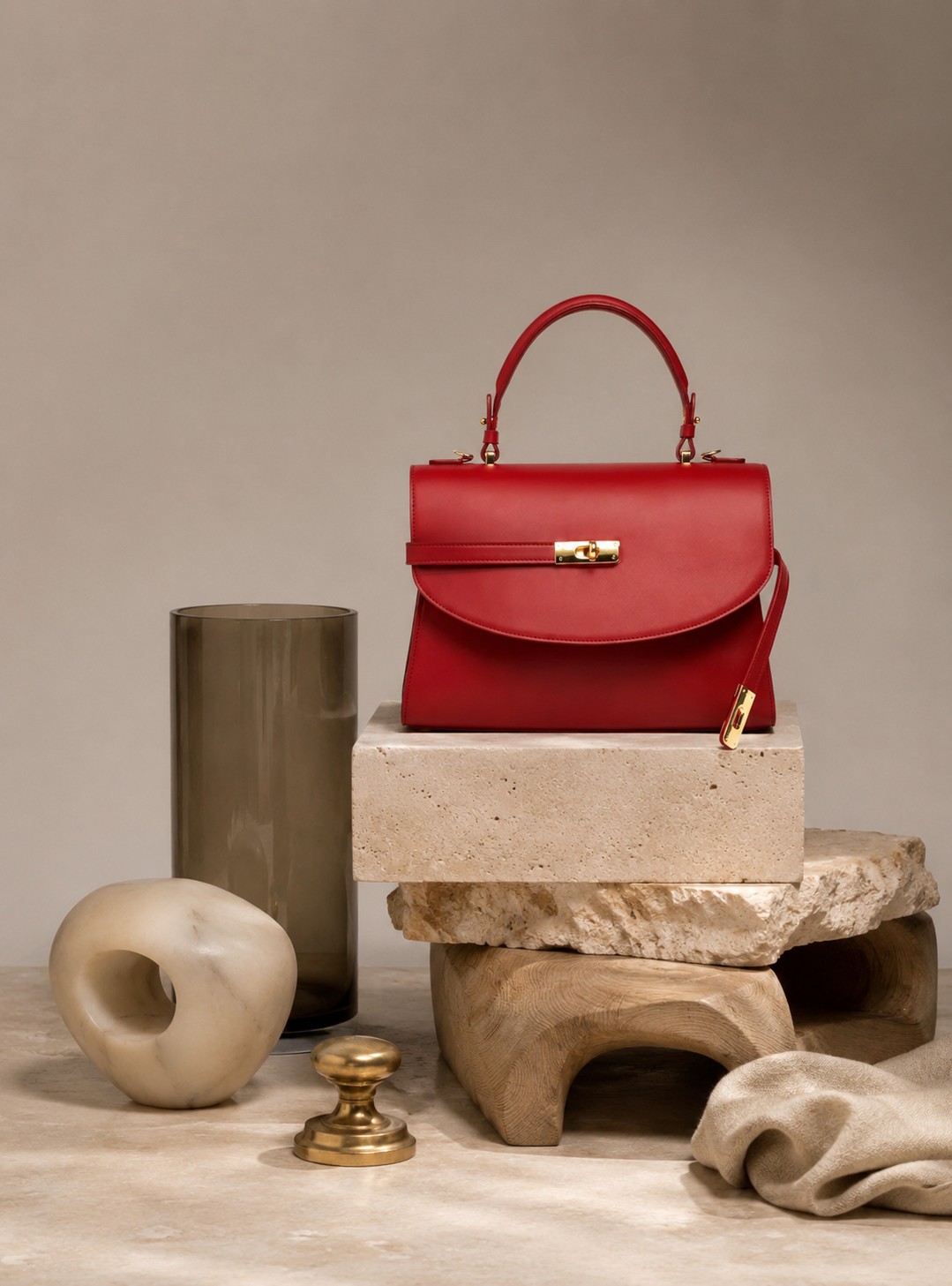
Culture also plays an essential role in luxury. A handbag silhouette may be technically perfect, yet fail to resonate emotionally if it ignores the cultural codes that shape meaning. AI can process cultural artifacts, but it cannot interpret context in a way that feels authentic or respectful. It cannot sense the intangible elements of luxury that make a product feel personal and emotionally connected to the person who carries it.
Craftsmanship Is Not Replicable Through Automation
Luxury lives in the hands of artisans. It lives in the way a handle is rolled, how a stitch is tensioned, how an edge is painted, and how leather is prepared to age well over time. AI can support digital prototyping or predict material usage, but it cannot replace the physical work of craft. It cannot feel the thickness of a hide, adjust pressure during cutting, or refine stitching to achieve an ideal balance between durability and elegance.
In high-end design, materials dictate decisions. A designer must understand how leather stretches, how hardware behaves under weight, how seams carry stress, and how proportions shift as a bag is filled. These decisions occur through human experience and sensory feedback. AI-generated models may appear visually pleasing, but they do not account for the physical realities of wear, strain, and long-term performance.
The artisanal workforce also carries cultural traditions that define regional craftsmanship, especially in Italy, France, and Spain. These traditions are not datasets; they are inherited skills passed from master to apprentice. As AI adoption increases, the craft sector becomes even more important. It offers something irreplaceable: a human signature that no algorithm can mimic.
The Risk of Homogenization in an AI-Dominated Industry
One of the most overlooked consequences of AI is that it accelerates sameness. When most brands use similar tools, similar forecasting systems, and similar image datasets, their outputs begin to converge. AI optimizes for what works statistically, not for what creates distinction. Over time, this leads to a homogenized market where design variations become narrower and where visual language becomes predictable.
Mass-market brands may benefit from this efficiency, but luxury depends on differentiation. A homogenized industry diminishes the emotional distance between high-end craftsmanship and the mass market, eroding the value of creative leadership. This homogenization creates a strategic opening for brands that commit to human-led design and resist the temptation to outsource aesthetic decision-making to algorithms.
Luxury thrives on originality, scarcity, and the confidence to go against trends. AI cannot initiate cultural movements. It cannot originate a new silhouette that captures the spirit of a moment. Only human creativity can do that.

AI Is Useful, But Only Behind the Scenes
AI has a place in luxury, but its power lies in operational support rather than creative substitution. Data modeling, inventory planning, search analytics, customer behavior mapping, material forecasting, and personalization algorithms help brands operate more efficiently and intelligently. These tools enhance decision-making without replacing the core human elements that define luxury.
The most sophisticated luxury companies will use AI to strengthen the human touch, not dilute it. They will use technology to better understand consumer needs, improve production timelines, reduce waste, and refine strategic planning. They will not use it to generate models, create AI campaign imagery, or replace artisans. These choices protect brand integrity while leveraging innovation in a responsible way.
The brands that succeed long term will be those that treat AI as an instrument, not an identity. The future of luxury belongs to companies that understand how to maintain humanity at the center of design, creation, and storytelling.
What This Means For You
For consumers, the rise of AI makes intentionality even more important. As more brands shift to automated content, AI-generated imagery, and machine-driven design, human-made beauty stands out. Investing in pieces shaped by real hands and guided by real artistic judgment becomes a way to preserve authenticity in an increasingly automated world.
Human taste cannot be mass-produced, and it cannot be replaced. The value of a luxury item comes from the care, expertise, and intuition that go into its creation. By choosing craftsmanship over automation, consumers help sustain the creative ecosystems that keep fashion meaningful and emotionally resonant.
Luxury will always be strongest when it reflects the human experience. As AI becomes more powerful, the brands that remain rooted in human judgment will be the ones that define the next era of style, culture, and design.
____
Our Approach to AI: We use AI only where it strengthens operational efficiency, customer experience, and internal decision-making. Creative expression, visual storytelling, and product representation remain fully human. Our campaigns feature real people, our designs are shaped by lived experience, and our craftsmanship is guided by artisans whose skill cannot be replicated by machines. Technology supports how we work, but it does not replace who we are.




Leave a comment
This site is protected by hCaptcha and the hCaptcha Privacy Policy and Terms of Service apply.