

The Hidden Costs of Fast Fashion Returns: Waste, Reverse Logistics, and the True Environmental Burden
Fast fashion has created a retail environment built around instant availability, micro-trends, and frictionless purchasing. Free returns sit at the center of this ecosystem because they remove hesitation from the buying process and encourage higher order volumes, especially when shoppers “bracket” multiple sizes or colors. However, what most consumers never see is the scale of the infrastructure required to manage these returns. Behind every free return is a global system of transportation, sorting, repackaging, liquidation, and disposal that leaves a significant environmental footprint.
Luxury brands operate differently because craftsmanship, material integrity, and long-term use cannot be sustained within the economics of high return rates. The contrast between the two models highlights why responsible consumption requires a closer look at what free returns really cost the industry and the environment.
How Fast Fashion Returns Move Through the Supply Chain
The return of a single garment enters a system that involves far more than a simple trip back to a warehouse. Reverse logistics requires coordinated transportation, labor-intensive sorting, and multiple decision points about whether an item can reenter inventory. Most fast fashion pieces are produced quickly, priced at extremely low margins, and not designed to withstand repeated handling or repackaging. As a result, the pathway from return to resale is rarely economically viable.
Once an item is shipped back, it typically moves through these stages in sequence:
-
transit to a centralized warehouse
-
scanning and sorting
-
evaluation for wear, damage, or hygiene issues
-
determination of whether it can be resold, repackaged, liquidated, or discarded
Each stage adds shipping miles, energy consumption, and operational cost. In many cases, these costs exceed the value of the product itself. This is why a large portion of fast fashion returns never reach the resale floor again.
Why Many Fast Fashion Returns Are Discarded
The primary reason returns are discarded is economic. Fast fashion depends on selling massive volumes of low-cost items at high speed. Every disruption to that cycle erodes profitability. When a garment comes back through the supply chain, it must be repaired, cleaned, repackaged, or fully restored to sellable condition. These steps cost more than the value of the product. In many cases, the labor required exceeds the original manufacturing cost by two or three times.
The second reason is trend velocity. Fast fashion trends have a shelf life of days or weeks. By the time an item returns to a warehouse, the micro-trend may have already shifted. Even a pristine garment becomes obsolete in a landscape where new styles are pushed daily. Liquidation becomes the only feasible solution, and liquidation channels often lead to waste streams rather than resale opportunities.
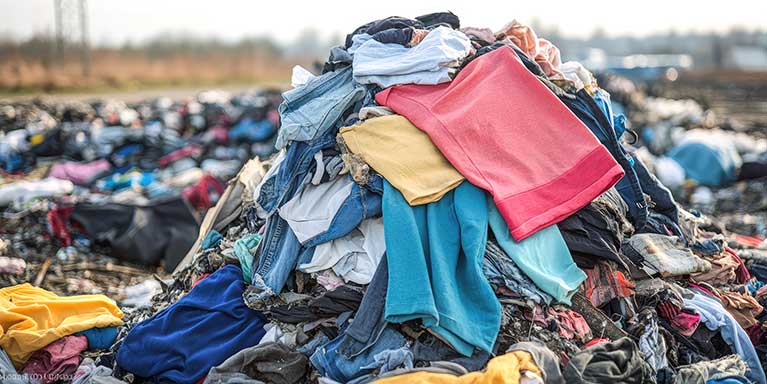
A significant share of these discarded returns are bundled and sent overseas to textile markets in Africa, South Asia, and Latin America. These regions receive shipments far beyond their capacity to process. Overwhelmed communities face mountains of textile waste that disrupt ecosystems, clog waterways, and break down into microplastics. Consumers rarely see these consequences, yet they are an integral part of the returns-driven economy.

The Environmental Impact Consumers Do Not See
The environmental cost of fast fashion returns is not just the waste of the garment itself. It is the cumulative impact of transportation emissions, packaging waste, warehouse energy consumption, and disposal practices associated with each stage of reverse logistics.
The carbon footprint can double or triple when an item travels back through the system only to be discarded.
Returned garments create an enormous volume of packaging waste. Every return requires new plastic sleeves, new polybags, or new protective wrapping. In some cases, the returned item must be reboxed or relabeled, using even more materials. These packaging components often cannot be recycled due to contamination or material composition. They end up in the same landfills as the garments themselves.
The final stage of environmental impact occurs once returns reach their destination. Many garments are sent to incineration facilities where textile combustion releases carbon, particulate matter, and chemical pollutants. Others are dumped in unmanaged or semi-regulated landfills, where synthetic fibers break down into microplastics that enter soil, water, and food systems. The environmental cost of a free return extends far beyond the item returned; it affects ecosystems and communities across the globe.
Why Luxury Brands Avoid High Return Structures
Luxury brands operate on a fundamentally different economic and cultural foundation. A luxury product is designed for durability, repairability, and long-term value, which naturally discourages impulse purchasing and encourages more intentional decision-making. The supply chain is structured around quality, inspections, and low defect rates. These factors significantly reduce return volumes and enable returned items to be reintegrated more responsibly.
When a return occurs in luxury, the product is evaluated with precision. Skilled teams inspect the item, repair minor flaws, reinforce stitching, replace hardware, or restore leather finishes before placing it back into inventory. These actions are possible because the initial craftsmanship supports recovery and longevity. A well-made product can sustain reprocessing without compromising quality.
Luxury brands also rely on maintenance programs and repair services, which further reduce waste. Instead of replacing defective items, brands often refurbish them. Customers are encouraged to extend the life of their investment rather than cycle through replacements. This approach strengthens brand trust and reduces environmental impact while reinforcing the value of design integrity over disposability.
Consumer Psychology and How Free Returns Shape Behavior
Free returns influence consumer behavior in ways that increase environmental impact. When customers know they can return items without penalty, they tend to purchase more than they intend to keep. This leads to bracketing, where multiple sizes or colors are ordered intentionally. These behaviors are encouraged by e-commerce platforms because they drive higher gross sales, even though they create significant waste behind the scenes.
Bracketing traps consumers in a cycle where the satisfaction of receiving a package outweighs the consideration of long-term use. The ephemeral joy of novelty becomes more important than thoughtful consumption. This mindset reinforces fast fashion’s model of volume-based consumption and diminishes the cultural value of owning well-made, long-lasting items.
In luxury, the psychology shifts. High-quality products require more deliberate research, more time to consider, and a greater awareness of brand craftsmanship. Customers tend to purchase with intent rather than impulse. They read materials carefully, evaluate craftsmanship, and approach ownership with a sense of responsibility. This naturally reduces return rates and encourages a healthier, more sustainable relationship with consumption.
Regulatory Pressure and the Future of Returns
Governments are increasingly aware of the environmental impact created by free returns in fast fashion. Several regulatory frameworks in Europe and emerging proposals in the United States aim to curtail the destruction of returns, increase transparency around waste, and limit the shipment of unsellable goods to developing countries. These policies reflect a global shift toward holding brands accountable for the full lifecycle of their products.
Proposed measures include bans on destroying unsold inventory, mandatory reporting of waste volumes, stricter standards for textile disposal, and higher import duties for ultra-low-cost goods that contribute to excessive waste. As regulatory frameworks mature, brands that depend heavily on returns-driven economics will face increased operational constraints and potential financial penalties.
Luxury brands are better positioned for this regulatory future because their business models prioritize durability, high-quality materials, traceability, and long-term use. As governments raise the expectations for environmental responsibility, luxury’s structural advantages become more pronounced. Craftsmanship, repairability, and responsible production are no longer marketing points; they become compliance advantages.
What This Means for You
Understanding the true impact of free returns allows consumers to make more informed choices. A convenient process may feel harmless, but it carries a significant environmental burden that affects global waste systems and local communities. By choosing products made with care, integrity, and longevity, consumers contribute to a supply chain that values sustainability over speed.
Thoughtful purchasing reduces the need for multiple orders, minimizes return-driven waste, and supports brands committed to craftsmanship and responsible production. Investing in high-quality pieces not only elevates the experience of ownership but also contributes to a healthier, more sustainable fashion ecosystem.
Your choices send signals to the industry. When you prioritize longevity, sustainable materials, and craftsmanship, you help shift demand toward brands that treat production with seriousness and respect. Responsible purchasing is one of the most powerful tools consumers have to influence environmental outcomes.




Leave a comment
This site is protected by hCaptcha and the hCaptcha Privacy Policy and Terms of Service apply.