

The Global Bottleneck: Why Skilled Artisans Are Disappearing and What It Means for the Future of Luxury
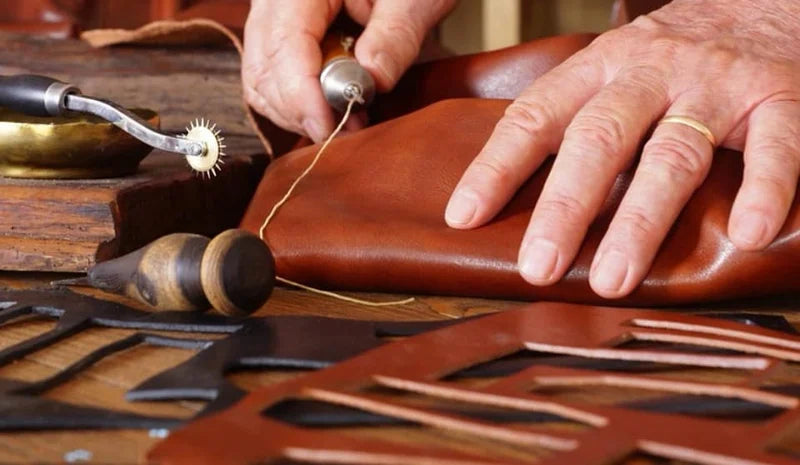
The luxury market depends on a resource that cannot be automated, duplicated, or rushed: skill. Behind every high-quality leather good, every tailored garment, and every meticulously constructed accessory is a specialist who has spent decades mastering a craft. Yet this foundation of the global luxury industry faces a structural shortage. Artisan populations are aging, apprenticeship models are fading, and manufacturing hubs are struggling to transfer knowledge to the next generation.
The entire supply chain is experiencing the effects. Lead times are lengthening, capacity is shrinking, and the availability of expert labor is becoming as constrained as luxury raw materials. The side of luxury that consumers rarely see is entering a period of scarcity, and the industry must confront the consequences.
Demographic Shifts Are Reshaping the Skilled Labor Market
Many of the most respected artisan regions across Europe and Asia were built by historical communities of craftsmen who learned their skills through multi-year apprenticeships. These were not short training programs but lifelong commitments that formed the backbone of regional economies. Today, these communities are shrinking. Younger generations are less likely to enter trades that require years of learning before reaching proficiency. The decline is visible in Italy’s leather districts, in Japan’s textile mills, and in French and Spanish ateliers where the average artisan age continues to rise.
This demographic imbalance is creating a long-term gap between the number of skilled workers leaving the industry and the number entering it. Luxury goods that depend on precise handwork now compete for a workforce that is smaller, older, and increasingly overstretched.

The Apprenticeship Crisis Is a Structural Threat
Traditional apprenticeship systems once ensured a steady pipeline of talent. They offered rigorous education, mentorship under master craftsmen, and immersion in the culture of precision and pride that defines artisanal work. Globalization disrupted this model. As manufacturing moved to lower-cost regions, fewer companies invested in training. Vocational schools shifted toward service-sector careers, and cultural pride around handwork diminished.
The result is a structural gap that cannot be solved by short training programs or quick reskilling initiatives. An artisan capable of producing high-grade leather goods with consistency is the product of years of repetition, refinement, and problem-solving. Without deep apprenticeship infrastructure, the industry faces a long-term shortage that directly affects output quality and capacity.
Why This Matters for Luxury Quality and Lead Times
Luxury relies on skills that cannot be mechanized. Edge painting, structural reinforcement, hand-sewing, skiving, finishing, and quality control all require advanced tactile intelligence. When the number of craftspeople able to execute these tasks declines, the effect ripples through the entire supply chain.
Lead times extend. Production queues lengthen. Brands are forced to book manufacturing slots months or even years in advance. In some regions, factories operate below demand not because raw materials are scarce, but because skilled hands are.
This is also why true luxury cannot scale in the same way mass-produced goods can. It is bound by the speed of craftsmanship, which is finite and increasingly constrained.
The Economic Forces Accelerating the Shortage
Rising labor costs, global competition, and the pressure for faster production cycles have all added friction. Many highly skilled artisans can earn more by moving into technical or managerial roles within the same production ecosystem, creating further shortages on the workshop floor.
At the same time, the luxury boom has increased demand for handcrafted goods, placing even more pressure on a shrinking talent pool. The disconnect between demand and workforce capacity is becoming one of the most influential forces shaping the future of artisanal production.
Regional Realignment in Luxury Manufacturing
Countries that once dominated artisanal sectors are now competing to retain their status. Italy, France, Japan, and Spain remain globally respected, but each faces the same demographic challenges. Countries like Portugal, Turkey, and parts of Eastern Europe are emerging as secondary hubs, yet even these regions are investing heavily in training programs to meet rising demand.
The global map of craftsmanship is shifting. Regions that protect, train, and invest in artisans will shape the future of luxury.
What This Means for You
For clients, the global artisan shortage changes the meaning of value. A luxury piece made by trained craftspeople is no longer just a purchase but now also a participation in a skill tradition that is becoming increasingly rare. Quality, longevity, and engineering precision depend on the hands that shape a product, and those hands are becoming more limited each year.
Understanding this shift helps explain the realities of lead times, pricing, and the growing distinction between true luxury and products that only look like luxury at the surface level. The pieces built by trained artisans hold durability, structural integrity, and lasting relevance that mass-produced alternatives cannot match.




Leave a comment
This site is protected by hCaptcha and the hCaptcha Privacy Policy and Terms of Service apply.